Are you planning a trip to Ireland or just curious about the cost of food there? Knowing how much you’ll spend on meals can help you budget better and enjoy your time without surprises.
Whether you like eating out, grabbing quick snacks, or cooking your own meals, understanding food prices in Ireland is key. You’ll discover the real costs of groceries, restaurant meals, and everyday treats, so you can plan your expenses smartly. Keep reading to get the full picture and make your food budget work for you.

Credit: inhabitat.com
Food Prices In Ireland 2026
Food prices in Ireland in 2026 show steady trends with some changes in costs. Many factors influence the prices, including supply chain and local demand. Understanding these prices helps plan budgets better, especially for residents and visitors. The following sections break down the main costs you will face.
Average Grocery Costs
Groceries in Ireland remain moderately priced. Basic items like milk, bread, and eggs cost around €1 to €3 each. Fresh fruits and vegetables range from €2 to €5 per kilogram. Meat prices vary but average €8 to €12 per kilogram. Buying in supermarkets or local markets can affect the final price slightly.
Eating Out Expenses
Dining out in Ireland can be affordable or costly depending on the place. A meal at a casual restaurant typically costs €12 to €20. Fast food meals average about €8 to €10. More upscale restaurants charge €25 and above for a main dish. Drinks and tips add to the final bill.
Regional Price Differences
Prices vary across Ireland’s regions. Dublin and other cities generally have higher food costs. Rural areas often offer lower prices due to local farming. Tourist spots may also have increased prices, especially for eating out. Shopping locally can save money in many regions.
Staple Foods And Their Costs
Staple foods form the base of daily meals in Ireland. These foods keep energy levels steady and provide essential nutrients. Knowing their costs helps plan a budget for groceries.
Bread And Cereals
Bread is a common staple in Irish homes. A loaf of bread typically costs between €1.20 and €2.50. Popular choices include white, whole wheat, and soda bread. Cereals, such as oats and breakfast flakes, range from €2 to €4 per box. Oats are especially popular for a healthy, filling breakfast.
Fruits And Vegetables
Fresh fruits and vegetables are available year-round. Apples cost about €1.50 to €3 per kilogram. Potatoes, a traditional Irish staple, are usually around €1 to €2 per kilogram. Carrots and onions fall in a similar price range. Seasonal produce can be cheaper and fresher at local markets.
Meat And Seafood
Meat prices vary by type and cut. Chicken breasts cost about €6 to €8 per kilogram. Beef is pricier, around €10 to €15 per kilogram. Ireland is known for fresh seafood. Salmon prices range from €12 to €20 per kilogram. Cod and other fish tend to be slightly cheaper.
Dairy Products
Dairy is a key part of the Irish diet. A liter of milk costs about €0.90 to €1.20. Butter prices range from €2 to €4 for 250 grams. Cheese varies widely, but common types cost between €5 and €10 per kilogram. Yogurt is affordable, usually around €0.50 to €1 per cup.
Budget Shopping Tips
Saving money on food in Ireland is possible with smart shopping habits. Budget shopping helps stretch your money further. You can enjoy good food without spending too much. Simple tips make a big difference in your grocery bills.
Best Supermarkets For Savings
Choose supermarkets known for lower prices. Aldi and Lidl often have cheaper options. SuperValu and Tesco offer good deals too. Compare prices for your regular items. Shopping at discount stores saves money daily.
Seasonal Buying Advantages
Buy fruits and vegetables in season. Seasonal produce costs less and tastes better. Irish markets have fresh, local choices. Avoid imported items that raise costs. Seasonal shopping keeps your budget in check.
Discounts And Loyalty Programs
Use store discounts to cut costs. Many shops offer weekly deals and special offers. Join loyalty programs for extra savings. Points can turn into discounts or gifts. Keep an eye on coupons for more deals.
Dining Out In Ireland
Dining out in Ireland offers a wide range of choices for every budget. From cozy local pubs to elegant fine dining, the food scene is diverse. Prices vary depending on the type of restaurant and location. Visitors can enjoy hearty meals without overspending or splurge on gourmet dishes.
Affordable Restaurants
Many small eateries and pubs serve tasty meals at low prices. Expect to pay around €8 to €15 for a main dish. Popular choices include Irish stew, fish and chips, and sandwiches. These spots provide a warm atmosphere and local flavors. Perfect for travelers on a budget.
Mid-range Dining Options
Mid-range restaurants offer a mix of traditional and modern Irish cuisine. Prices usually range from €15 to €30 per main course. These places often have nice interiors and good service. A great option for a relaxed dinner with friends or family. You can try dishes like seafood chowder or roast lamb.
High-end Culinary Experiences
High-end restaurants in Ireland focus on gourmet ingredients and creative menus. Expect to pay €40 or more for a main course. Many Michelin-starred chefs work in these venues. The dining experience often includes tasting menus and wine pairings. Ideal for special occasions or food lovers.
Impact Of Inflation On Food Prices
Inflation affects food prices in Ireland noticeably. It raises the cost of everyday groceries. This can make shopping more expensive for many families. Understanding how inflation impacts food prices helps shoppers prepare better.
Recent Price Trends
Food prices in Ireland have risen steadily over the past year. Basic items like bread, milk, and vegetables now cost more. The increase is not the same for all products. Some fresh foods have seen higher price jumps than packaged goods. These changes reflect ongoing inflation pressures in the market.
Factors Driving Cost Changes
Several factors push food prices up in Ireland. Rising fuel costs increase transportation expenses. Farmers face higher prices for seeds and fertilizers. Supply chain disruptions also reduce the availability of some foods. Currency fluctuations can affect import costs as well. These combined factors contribute to the overall rise in food prices.
Credit: www.corklive.ie
Comparing Food Costs With Other Countries
Understanding how food prices in Ireland compare to other countries helps to plan budgets better. Food costs vary widely across the world. Comparing these costs shows where Ireland stands in terms of affordability.
Neighboring European Nations
Food prices in Ireland are generally higher than in nearby countries like Spain and Portugal. These countries offer cheaper fruits, vegetables, and staples. Ireland’s prices are closer to the UK but still slightly higher. This is due to import costs and local taxes. Northern European countries like Germany and France have similar food prices to Ireland. Grocery shopping in Ireland can feel expensive compared to southern Europe.
Global Food Price Ranking
Globally, Ireland ranks in the upper middle range for food costs. Countries like Switzerland, Norway, and Iceland have much higher food prices. Many Asian and African nations have lower food costs than Ireland. Food affordability depends on local production and income levels. Ireland’s ranking reflects its high living standards and import reliance. This means food in Ireland is not the cheapest but not the most expensive either.
Planning Your Food Budget In Ireland
Planning your food budget in Ireland helps control your spending and reduce waste. Knowing typical costs guides you to make smart choices. Budgeting also ensures you eat well without overspending. This section breaks down monthly grocery costs and offers meal planning tips.
Monthly Grocery Estimates
On average, a single person spends around €250 to €350 monthly on groceries. Families with children often spend between €500 and €700. Prices vary by location, store type, and product choices. Fresh produce, dairy, and meat usually cost more. Shopping at local markets or discount stores can lower expenses. Planning helps avoid last-minute purchases that raise costs.
Meal Planning Strategies
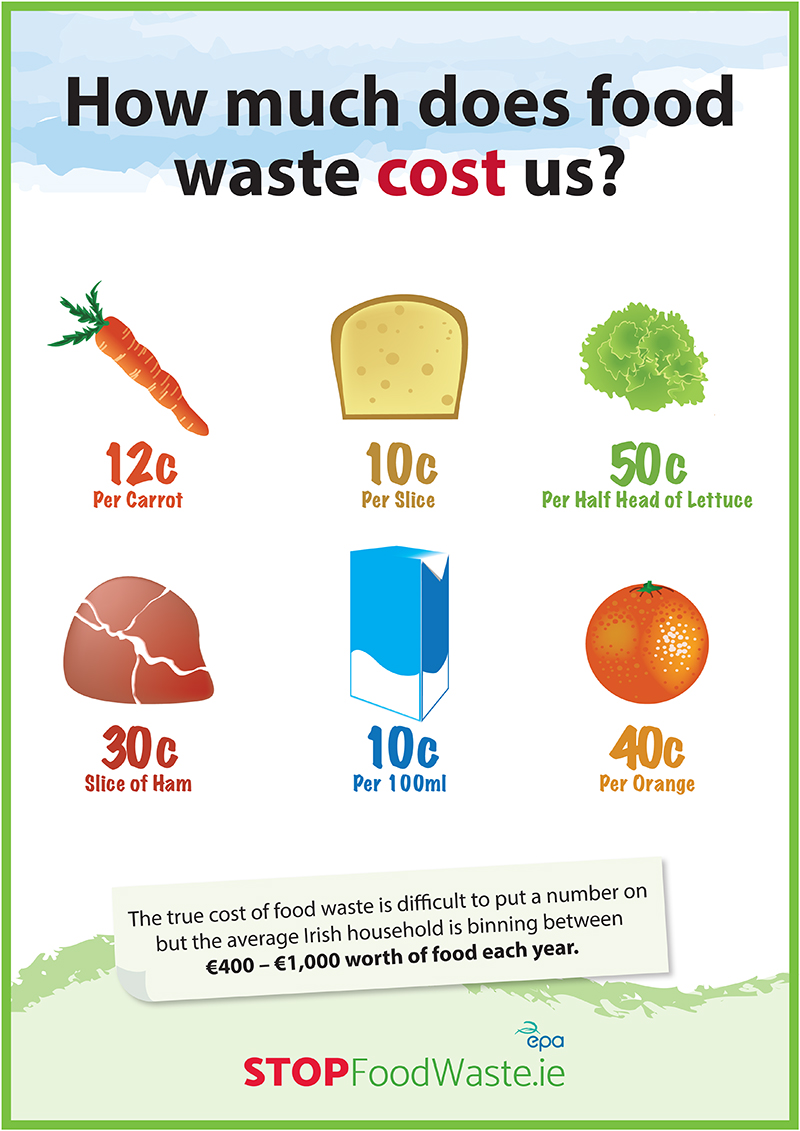
Create a weekly meal plan before shopping. List meals using affordable, seasonal ingredients. Cooking at home saves money compared to eating out. Prepare larger portions to have leftovers for next meals. Use simple recipes to reduce cooking time and costs. Avoid buying snacks or processed foods often. Stick to your shopping list to prevent impulse buys.

Credit: www.epa.ie
Frequently Asked Questions
How Much Does A Meal Cost In Ireland?
A typical meal in Ireland costs between €10 and €20. Pub meals are usually more affordable. Fine dining can be pricier, ranging from €25 to €50.
What Is The Average Price Of Groceries In Ireland?
Groceries in Ireland cost about €50 to €70 weekly for one person. Fresh produce and dairy are moderately priced. Imported goods may cost more.
Are Dining Out Prices High In Ireland?
Dining out prices in Ireland vary by location. Urban areas like Dublin have higher prices. Small towns offer more budget-friendly options for meals.
How Expensive Is Street Food In Ireland?
Street food in Ireland costs around €5 to €10 per item. It’s a popular affordable choice for locals and tourists alike. Quality and variety are good.
Conclusion
Food prices in Ireland vary by location and type. Eating out costs more than cooking at home. Grocery shopping offers good options for budget meals. Local markets provide fresh produce at fair prices. Planning meals helps control your food expenses.
Understanding costs makes your stay or visit easier. Enjoy Irish food without worrying about overspending. Simple choices can keep your meals affordable. Keep these tips in mind for smart spending. Food in Ireland can fit most budgets well.