Food prices can tell you a lot about daily life in a country. Turkmenistan is a unique place, famous for its vast deserts, marble buildings, and strong traditions. But when it comes to eating—whether you are a traveler, an expat, or a local—knowing the cost of food is important. Many people are curious: How much is food in Turkmenistan? This question matters because it helps with budgeting, planning, and understanding the culture.
In Turkmenistan, you will find a mix of local markets, small restaurants, and supermarkets. Prices can surprise you—sometimes lower than expected, other times higher for certain products. The cost of food depends on where you shop, what you buy, and if you eat out or cook at home.
This article explores food costs in Turkmenistan in detail, so you can make smart choices and avoid unexpected expenses.
Everyday Food Prices In Turkmenistan
Most daily food shopping in Turkmenistan happens at bazars (local markets) and supermarkets. The prices can change by city, season, and availability, but there are some common trends.
Basic Groceries
Locally grown foods like vegetables, bread, and rice are usually affordable. Imported goods can be expensive because of taxes and transportation.
Here’s a sample of average prices for basic foods (in Turkmen manat, TMT):
| Item | Average Price (TMT) | Approx. USD |
|---|---|---|
| Bread (loaf) | 1.5 | 0.43 |
| Eggs (dozen) | 7 | 2.00 |
| Milk (1 liter) | 4 | 1.15 |
| Rice (1 kg) | 12 | 3.40 |
| Potatoes (1 kg) | 5 | 1.40 |
| Chicken (1 kg) | 30 | 8.60 |
| Beef (1 kg) | 55 | 15.80 |
Non-obvious insight: The price of basic items like bread and potatoes is kept low by the government to help local people. However, quality can be unpredictable, especially for subsidized bread.
Fruits And Vegetables
Fruits and vegetables are seasonal in Turkmenistan. Local produce is much cheaper during the harvest months (summer and early autumn), but prices rise in winter when goods are imported.
Average prices (per kg):
- Tomatoes: 8 TMT (2.30 USD) in summer, up to 25 TMT (7.20 USD) in winter
- Apples: 10-18 TMT (2.90–5.10 USD)
- Bananas (imported): 35 TMT (10 USD)
- Carrots: 6 TMT (1.70 USD)
Practical tip: If you want to save money, buy fruits and vegetables during local harvests. Winter prices for imported items can be two or three times higher.
Dairy And Eggs
Milk, cheese, and eggs are basic foods in Turkmenistan. Prices are stable, but imported cheeses can be expensive.
- Local cheese: 20–30 TMT (5.70–8.60 USD) per kg
- Imported cheese: 60–120 TMT (17–34 USD) per kg
Eggs are available in all markets, but supply can drop, causing price spikes.
Eating Out: Restaurants, Cafes, And Street Food
Turkmenistan’s cities have a range of places to eat, from cheap street stalls to expensive international restaurants. The cost depends on location, type of food, and city.
Local Cafes And Canteens
Most locals eat at small cafes or canteens (called “stolovaya”), especially for lunch. Food is simple, filling, and cheap.
Average prices for a typical local meal:
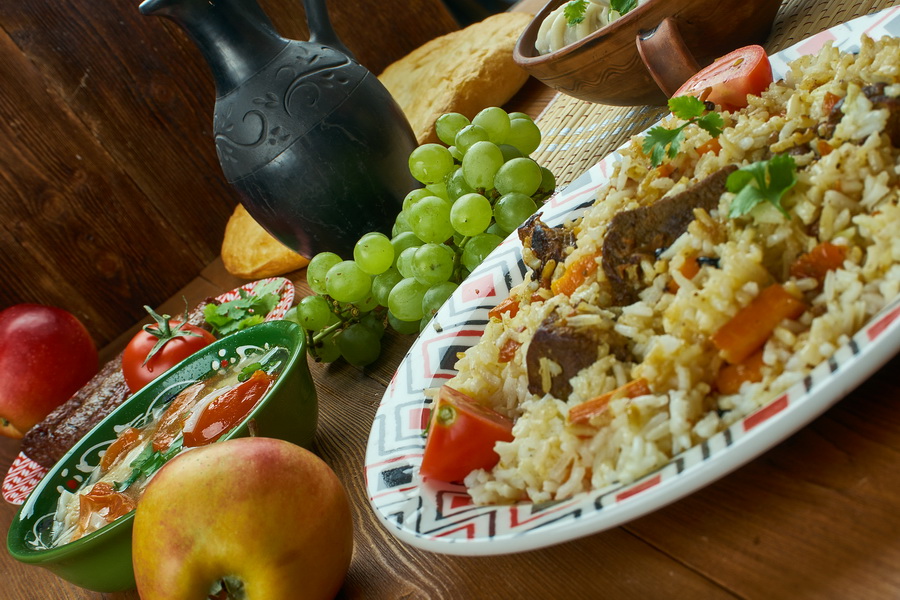
- Plov (rice with meat and carrots): 25–40 TMT (7.20–11.40 USD)
- Lagman (noodle soup): 20–35 TMT (5.70–10 USD)
- Samsa (meat pastry): 5–8 TMT (1.40–2.30 USD)
- Shashlik (grilled meat skewer): 18–28 TMT (5.10–8 USD) per skewer
A simple lunch with soup, bread, and tea can cost about 30–50 TMT (8. 60–14. 30 USD).
Non-obvious insight: In Turkmenistan, tap water is not usually served in restaurants. Bottled water (0.5L) costs around 3–5 TMT (0.86–1.40 USD).
Mid-range And International Restaurants
For a higher-end experience, you can visit international or hotel restaurants, especially in Ashgabat. Here, prices are much higher, and you pay for atmosphere and imported ingredients.
- Pizza (medium size): 80–120 TMT (23–34 USD)
- Steak dinner: 150–300 TMT (43–86 USD)
- Imported wine (bottle): 200–400 TMT (57–114 USD)
A three-course meal for two people in a mid-range restaurant can easily cost 350–600 TMT (100–170 USD).
Practical tip: Some international restaurants add a 10% service charge, so check your bill before paying.
Street Food
Street food is cheap and popular, especially in busy areas and bazaars. Typical options:
- Kebabs: 10–18 TMT (2.90–5.10 USD)
- Flatbread with cheese or herbs: 4–7 TMT (1.15–2 USD)
- Ice cream: 5–10 TMT (1.40–2.90 USD)
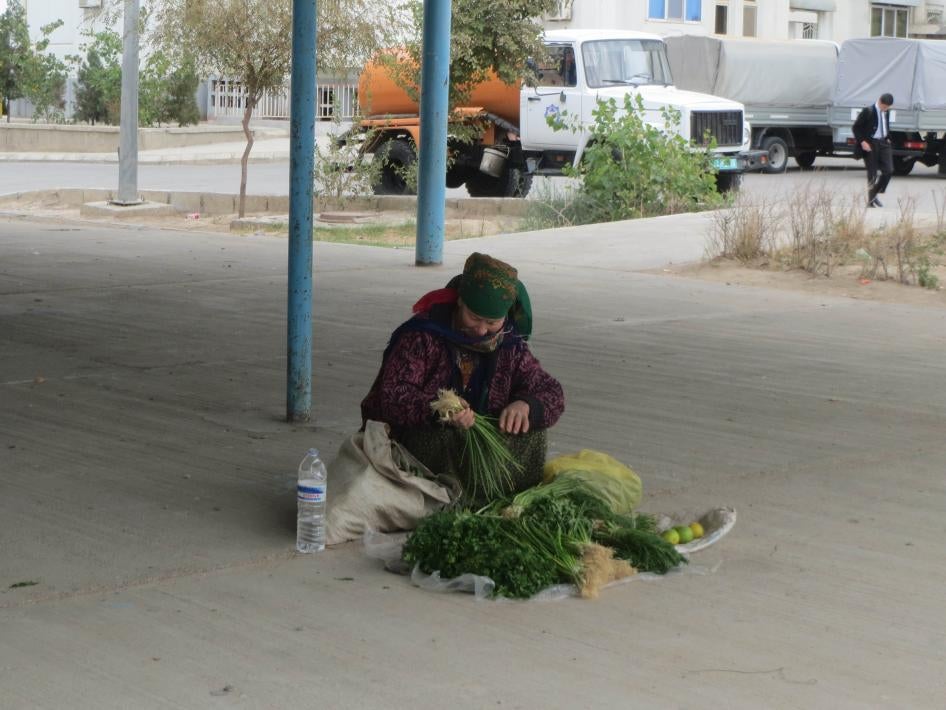
Street food is often cash-only. Quality and hygiene can vary, so watch where locals buy.
Credit: www.hrw.org
Supermarkets Vs. Local Markets
Where you shop makes a big difference in how much you spend.
Supermarkets
Supermarkets are common in big cities. They sell local and imported foods, but imported goods are much more expensive.
- Cereal (imported, 500g): 35–50 TMT (10–14 USD)
- Chocolate (imported, 100g): 15–25 TMT (4.30–7.20 USD)
- Juice (1L, imported): 20–40 TMT (5.70–11.40 USD)
Non-obvious insight: Some supermarkets offer ‘local’ and ‘imported’ versions of the same product with big price differences. For example, local milk is much cheaper than imported brands, but taste and packaging may vary.
Local Markets (bazars)
Bazars are the best for fresh produce, bread, and local dairy. Prices are lower, and you can bargain, especially if you buy in bulk.
- Tip: Buy food in the late afternoon for better deals, as sellers want to clear their goods before closing.
Price Comparison: Supermarket Vs. Bazar
Here’s how prices can change depending on where you shop:
| Item | Supermarket (TMT) | Bazar (TMT) |
|---|---|---|
| Tomatoes (1 kg) | 15 | 8 |
| Bread (loaf) | 2 | 1.5 |
| Eggs (dozen) | 9 | 7 |
| Chicken (1 kg) | 38 | 30 |
Practical tip: Some imported foods are only available at supermarkets, but for basic items, bazars are almost always cheaper.
Special Diets: Vegetarian, Vegan, Gluten-free
Turkmenistan’s traditional food culture is meat-heavy, with lots of bread and dairy. If you follow a vegetarian or vegan diet, options are limited.
- Vegetarian: You will find salads, bread, rice, vegetable soups, and some pastries. But dishes are often cooked with meat broth or fat, so check before ordering.
- Vegan: Choices are fewer. Most pastries, soups, and rice have animal products. Fruit, nuts, and some salads are safe, but you will need to ask about ingredients.
- Gluten-free: Bread and noodles are staples, so gluten-free options are rare. Stick to rice, potatoes, and grilled meats or vegetables.
Practical tip: Learn food names in Turkmen or Russian, and explain your diet clearly. Even in restaurants, staff may not understand special diet needs.
Cost Of Food For A Month
How much does it cost to feed one person in Turkmenistan for a month? It depends on your lifestyle. Here’s a basic estimate for an average, local-style diet:
- Staple foods (bread, rice, potatoes, pasta): 300 TMT (86 USD)
- Dairy and eggs: 180 TMT (51 USD)
- Meat and fish: 400 TMT (115 USD)
- Fruits and vegetables: 250 TMT (72 USD)
- Other (oil, salt, tea, snacks): 120 TMT (34 USD)
Total: Around 1,250 TMT (360 USD) per month per person, if you cook at home and buy local products.
If you eat out often, the monthly cost can easily double, especially in bigger cities or if you prefer imported foods.
How Food Prices Compare To Salaries
Food prices must be seen in context with local incomes. The average salary in Turkmenistan is about 1,500–2,000 TMT (430–570 USD) per month, but this can vary a lot by job and region.
That means food can take up 25–40% of a monthly salary for an average family, especially if they buy imported goods or eat out.
Non-obvious insight: Many families grow their own vegetables or keep chickens to help with food costs. Home cooking is a big part of life, and processed or luxury foods are rare in everyday diets.

Credit: travelinsighter.com
Food Inflation And Shortages
Turkmenistan sometimes experiences food shortages or price jumps, especially for imported goods. The government tries to control prices for basic foods, but imported products (like fruit, cheese, or packaged snacks) can disappear from shelves or become very expensive.
If you are new to Turkmenistan, be flexible. Stock up on basics when you see them at good prices, and try local foods to stretch your budget.
Tips For Saving Money On Food
- Buy local and seasonal: Local produce is cheaper and fresher.
- Shop at bazaars: Prices are lower, and you can bargain.
- Cook at home: Eating out costs much more than home-cooked meals.
- Plan meals: Avoid waste by planning what you need for the week.
- Avoid imported goods: Local versions of most foods are much cheaper.
Sample Weekly Food Budget
A simple weekly budget for one person eating mostly at home:
| Item | Weekly Quantity | Total Cost (TMT) |
|---|---|---|
| Bread | 4 loaves | 6 |
| Eggs | 1 dozen | 7 |
| Milk | 3 liters | 12 |
| Chicken | 1 kg | 30 |
| Potatoes | 2 kg | 10 |
| Rice | 1 kg | 12 |
| Vegetables/Fruits | 2 kg | 20 |
| Other | Snacks, tea, oil | 10 |
Total: About 107 TMT (31 USD) per week.
Final Thoughts
Food prices in Turkmenistan are a mix of low-cost basics and expensive imported goods. If you stick to local foods, shop at bazaars, and cook at home, you can eat well on a modest budget. Eating out and buying imported products will quickly raise your expenses.
The local diet is simple but filling, with lots of bread, rice, meat, and fresh produce during the right season. Understanding the cost of food is essential for anyone living in or visiting Turkmenistan. With a little planning, you can enjoy the country’s flavors without overspending.
For more on world food prices, visit the Wikipedia Cost of Living page.
Credit: www.advantour.com
Frequently Asked Questions
How Much Does A Meal Cost In Turkmenistan?
A simple meal at a local cafe usually costs between 25–50 TMT (7–14 USD). In mid-range restaurants, expect to pay 120–300 TMT (34–86 USD) per person for a three-course meal.
Is Eating Out Expensive In Turkmenistan?
Eating out is cheap in local places but expensive in international or hotel restaurants. Street food and canteens are affordable for most people, but imported or luxury meals can be costly.
Can You Find Vegetarian Food In Turkmenistan?
Vegetarian options are limited. Most meals include meat or animal products. You can find salads, bread, rice, and vegetable soups, but always ask about the ingredients.
Are Supermarkets Or Bazaars Cheaper For Food?
Bazars are usually cheaper for fresh produce and local foods, while supermarkets offer more imported goods at higher prices. Shopping at bazaars is the best way to save money.
Do Food Prices In Turkmenistan Change Often?
Yes, especially for imported foods and during winter. Prices can increase due to shortages or currency changes. Local basic foods tend to stay more stable, but it’s smart to watch for price changes each season.