Wondering how much food costs in the United Kingdom? Whether you’re planning a trip, moving, or just curious, knowing the prices can help you manage your budget better.
You might be surprised at how much you can save or spend depending on where and what you buy. You’ll discover clear, straightforward answers about food prices in the UK. Keep reading to find out exactly what to expect—and how to make the most of your money when shopping for groceries or dining out.
Grocery Prices In The Uk
Grocery prices in the UK vary by product and location. Many people find prices reasonable compared to other countries. Shopping at local markets can lower costs. Supermarkets offer a wide range of options for all budgets.
Staple Foods Costs
Bread, rice, and pasta form the base of many meals. A loaf of bread costs around £1 to £1.50. One kilogram of rice usually sells for £1 to £2. Pasta prices range from £0.50 to £1 per pack. These staples are affordable and easy to find.
Fresh Produce Prices
Fruits and vegetables come fresh or frozen. Apples cost about £1.20 per kilogram. Bananas are cheaper, near £0.80 per kilogram. Seasonal vegetables like carrots and potatoes cost £0.60 to £1 per kilogram. Farmers’ markets often have fresher and cheaper produce.
Dairy And Eggs
Milk prices hover around £0.90 per litre. Cheese costs vary widely, starting at £2 per block. Yogurt tubs usually cost £1 to £1.50. A dozen eggs sell for about £1.80. These items form a daily diet for many households.
Meat And Seafood
Meat prices differ by type and cut. Chicken breasts cost roughly £5 per kilogram. Beef may range from £6 to £10 per kilogram. Fresh fish prices start at £7 per kilogram. Frozen seafood is often cheaper and lasts longer.
Beverages And Snacks
Soft drinks and juices cost between £1 and £2 per litre. Tea and coffee prices vary, usually £2 to £4 per pack. Crisps and biscuits range from £1 to £2 per packet. Snacks are widely available at affordable prices.

Credit: en.wikipedia.org
Eating Out Expenses
Eating out in the United Kingdom varies in cost depending on the type of restaurant. Many options suit different budgets and tastes. Understanding these prices helps plan your meals better.
Fast Food Prices
Fast food is the cheapest way to eat out. A basic meal at popular chains costs around £5 to £7. This often includes a burger, fries, and a drink. Many places offer value menus with items under £3.
Casual Dining Costs
Casual dining restaurants charge more than fast food. Expect to pay between £10 and £20 per person. This price usually covers a main dish and a soft drink. Some places add a small charge for starters or desserts.
Fine Dining Average Prices
Fine dining restaurants are the priciest option. A meal here can cost £40 or more per person. This usually includes multiple courses and drinks. Prices vary by location and restaurant reputation.
Takeaway And Delivery Charges
Takeaway meals cost about the same as eating in. Delivery often adds extra fees from £2 to £5. Some services charge a small percentage of your order. Tipping delivery drivers is common but not required.
Regional Food Price Differences
Food prices in the United Kingdom vary by region. Different areas have unique costs for groceries and dining. These differences affect household budgets and shopping habits across the country.
Price changes depend on factors like local demand, supply, and transportation costs. Understanding these regional differences helps people plan better for their food expenses.
London And Southeast
London and the Southeast have some of the highest food prices in the UK. Rent and business costs are high here. This pushes up prices in supermarkets and restaurants. Fresh produce and specialty items often cost more in this region.
Shopping at local markets or discount stores can help reduce costs. Eating out tends to be expensive, especially in central London.
Midlands And Northern England
The Midlands and Northern England offer more affordable food prices than London. Local markets and supermarkets often have good deals. Meat, dairy, and bakery products are usually cheaper here.
Dining out costs less, with many budget-friendly options. These regions benefit from lower business rents and less demand pressure.
Scotland And Wales
Food prices in Scotland and Wales vary by location. Rural areas may see higher prices due to transport costs. Cities like Glasgow and Cardiff have more competitive prices.
Local produce from farms helps keep some prices low. Fish and seafood can be affordable in coastal towns. Overall, costs tend to be moderate compared to England.
Northern Ireland
Northern Ireland generally has lower food prices than the UK average. Local farming supports fresh and affordable produce. Grocery stores and markets often offer good value.
Eating out is usually cheaper than in England’s big cities. Food shopping here suits people on tighter budgets.
Credit: en.wikipedia.org
Monthly Food Budget Estimates
Estimating a monthly food budget in the United Kingdom helps plan expenses well. Costs vary based on household size and eating habits. Knowing average costs supports better financial choices. Below are common monthly food budget estimates for different household types.
Single Person
A single person usually spends between £150 and £250 per month on food. This budget covers groceries like fruits, vegetables, bread, and some meat or vegetarian options. Cooking at home saves money compared to eating out. Budget shopping and meal planning lower costs further.
Couples
Couples often spend around £300 to £450 monthly on food. This includes groceries for two people and occasional treats. Cooking together reduces food waste and spreads costs. Shopping at local markets and discount stores helps keep the budget in check.
Families
Families with children tend to spend between £500 and £700 each month on food. Costs rise due to larger meal portions and snacks. Bulk buying and meal prep can reduce expenses. Balancing healthy choices and budget-friendly items is key for families.
Tips To Save On Food Costs
Food costs in the United Kingdom can add up quickly. Saving money on groceries is smart. Small changes can lead to big savings. Here are some practical tips to help you spend less on food.
Shopping Smart
Choose stores with good prices. Supermarkets like Lidl and Aldi often have lower prices than big chains. Buy items in bulk when possible. Check unit prices to find the best deals. Avoid buying ready-made meals; cooking from scratch is cheaper.
Meal Planning
Plan your meals for the week. Make a shopping list based on your plan. Stick to the list to avoid impulse buys. Use leftovers to create new meals. This reduces waste and saves money.
Using Discounts And Vouchers
Look for discounts on products nearing their sell-by date. Use store loyalty cards to collect points. Find vouchers online or in newspapers. Combine offers to get the best price on groceries.
Buying Seasonal And Local
Buy fruits and vegetables in season. They cost less and taste better. Visit local markets for fresh produce. Seasonal items reduce your grocery bill. Support local farmers and enjoy fresher food.
Credit: events.mercer.edu
Impact Of Inflation On Food Prices
Inflation affects food prices in the United Kingdom significantly. It raises the cost of groceries, making everyday meals more expensive for many people. Rising inflation means shops pay more for products, and they often pass these costs to buyers. This change impacts what families spend on food each week.
Inflation also affects supply chains. Fuel and transportation costs increase, adding to the price of food on shelves. Farmers face higher expenses for seeds and equipment. These factors combine to push food prices up steadily.
Recent Trends
Food prices in the UK have risen sharply over the past year. Basic items like bread, milk, and vegetables cost more than before. Inflation rates reached levels not seen in decades. Shops report higher wholesale prices, leading to more expensive products for shoppers.
Several causes contribute to these trends. Global supply issues, energy costs, and labor shortages add to inflation pressures. Seasonal changes also impact the availability and price of fresh produce. Consumers notice these changes at checkout counters across the country.
Future Predictions For 2026
Experts expect food prices to continue rising but at a slower pace. Inflation may ease as supply chains improve and energy costs stabilize. Still, prices will likely remain higher than pre-inflation levels.
Technology and farming advancements might help reduce some costs. Yet, global economic factors will keep food prices sensitive to change. Families should prepare for steady food expenses in the coming years.
Frequently Asked Questions
How Much Does A Meal Cost In The Uk?
A meal in the UK typically costs between £8 and £15 at casual restaurants. Fast food options are cheaper, around £5 to £7. Prices vary by city and location, with London being generally more expensive.
What Is The Average Grocery Cost In The Uk?
The average monthly grocery bill in the UK ranges from £150 to £250 per person. Prices depend on shopping habits and location. Buying local produce and shopping at budget supermarkets can reduce costs.
How Expensive Is Dining Out In The Uk?
Dining out in the UK can cost £10 to £30 per person at mid-range restaurants. Fine dining and popular tourist spots tend to be pricier. Takeaway options and pub meals offer more affordable choices.
Are Food Prices Higher In London Compared To Other Cities?
Yes, food prices in London are generally higher than other UK cities. This is due to higher rent and demand. However, budget-friendly options are available throughout the city, including markets and affordable eateries.
Conclusion
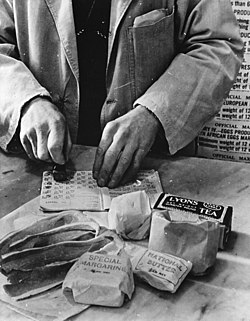
Food prices in the United Kingdom vary by location and type. Eating out can cost more than cooking at home. Supermarkets offer many affordable options for daily meals. Fresh produce and basic groceries stay within a reasonable range. Budget travelers can find cheap and tasty street food too.
Understanding costs helps plan your meals better. This knowledge makes living or visiting easier and less stressful. Keep in mind, prices change with seasons and shops. Stay aware and enjoy the diverse food options in the UK.