Timor-Leste is a small island nation in Southeast Asia, known for its beautiful landscapes, welcoming people, and unique blend of cultures. But if you’re planning a visit or thinking about living there, you might wonder: How much is food in Timor-Leste? Understanding food prices is important for travelers, expats, and even locals who want to budget well. While Timor-Leste is not as developed as its neighbors, the cost of food can surprise many people—sometimes in good ways, sometimes not.
Food prices in Timor-Leste depend on many things: where you buy food, whether you eat local or imported products, and if you cook at home or eat out. While the country has rich agriculture, it still imports much of its food, which can raise prices. On the other hand, local markets offer fresh produce at reasonable rates. This article will break down food costs in detail: from daily groceries to restaurant meals, local markets to supermarkets, and even street food. Whether you are a backpacker, an expat, or just curious, you’ll find clear answers and practical tips here.
Average Cost Of Groceries In Timor-leste
Most people in Timor-Leste shop at markets or small shops for daily food. Supermarkets exist, especially in Dili, the capital, but they are less common in rural areas. The cost of groceries can vary depending on whether you buy local produce or imported goods.
Common Grocery Items And Prices
Here’s a look at the average prices for basic groceries in Timor-Leste. Prices can change based on location and season, but these are typical:
| Item | Average Price (USD) | Notes |
|---|---|---|
| Rice (1 kg) | $1.20 – $1.50 | Main staple, price stable |
| Bread (loaf) | $1.00 – $1.50 | Mostly found in cities |
| Eggs (12) | $2.00 – $2.50 | Imported eggs cost more |
| Milk (1 liter) | $1.30 – $2.00 | Mostly imported |
| Chicken (1 kg) | $4.00 – $5.00 | Often imported, local is less |
| Beef (1 kg) | $8.00 – $10.00 | Price varies by cut |
| Fish (1 kg) | $3.00 – $5.00 | Fresh at coastal markets |
| Tomatoes (1 kg) | $1.00 – $1.50 | Local produce |
| Bananas (1 dozen) | $1.00 | Cheap and local |
| Cooking oil (1 liter) | $2.00 – $3.00 | Imported oil is common |
Local produce like bananas, leafy greens, papayas, and tomatoes are much cheaper than items like cheese, yogurt, or imported snacks. The further you go from Dili, the lower the prices for local fruits and vegetables, but imported goods can be hard to find or much more expensive.
Local Markets Vs. Supermarkets
Shopping at local markets is the cheapest way to buy fresh food in Timor-Leste. Markets are usually open-air and busy in the morning. You’ll find local fruits, vegetables, eggs, and sometimes fish or meat. Prices are lower because there’s no packaging or branding.
Supermarkets offer more variety, including imported products from Indonesia, Australia, and Portugal. But these imported goods can be double or triple the local market price. For example, a bag of imported chips may cost $4, while a fresh local snack costs less than $1. If you want cheese, milk, or pasta, expect to pay a premium.
Eating Out: Restaurants, Cafés, And Street Food
Eating outside the home is common, especially in Dili and tourist areas. There’s a range of choices from simple food stalls to international restaurants. The cost depends on where and what you eat.
Local Restaurants
A typical meal at a local restaurant, called a “warung” or “restorante,” is affordable for most people.
- Local meal (rice, chicken, vegetables): $2.50 – $4.00
- Fish meal: $3.00 – $5.00
- Noodle soup: $2.00 – $3.00
These meals are filling and usually include rice, a protein (like chicken or fish), and a side of vegetables. Portions are generous, and you can often ask for more rice at no extra cost.
International Restaurants
Dili has a small but growing number of international restaurants serving Portuguese, Italian, Chinese, and Australian dishes. These places are more expensive:
- Pizza (medium): $8.00 – $15.00
- Pasta dish: $7.00 – $12.00
- Western-style burger: $6.00 – $10.00
- Seafood platter: $10.00 – $20.00
Imported ingredients and higher rent raise costs. These restaurants are popular with expats and visitors, but they are out of reach for many locals.
Street Food And Snacks
Street food is a big part of daily life, especially for people on a budget or in a hurry. You can find simple snacks and meals at roadside stalls or small carts.
- Fried bananas or cassava: $0.25 – $0.50
- Grilled corn on the cob: $0.50
- Rice packets with vegetables: $1.00 – $1.50
- Meat skewers (sate): $0.50 – $1.00 each
Street food is safe if you choose busy stalls with high turnover. Many locals eat street food for breakfast or lunch because it’s fast and cheap.
Food Prices In Rural Areas Vs. Dili
Timor-Leste has a big difference between urban and rural food prices. Dili, as the capital, has more supermarkets and restaurants, but also higher rents and transport costs, which increase prices for many products.
In rural areas:
- Local fruits and vegetables are cheaper (sometimes half the city price).
- Imported foods are rare and expensive due to transport costs.
- Meat and fish are often bought fresh from local farmers or fishers, usually cheaper than in Dili.
But, if you want packaged or processed foods, you may not find them easily outside the capital. Some products like bread or cheese may not be available at all in remote places.
Cost Of Cooking At Home
Many people in Timor-Leste cook at home to save money. If you shop smart at local markets, you can prepare healthy, filling meals at low cost.
Sample Weekly Grocery Budget
To give you a better idea, here’s a basic budget for one adult cooking at home for a week, using mostly local ingredients:
| Item | Quantity | Total Cost (USD) |
|---|---|---|
| Rice | 2 kg | $2.80 |
| Eggs | 1 dozen | $2.20 |
| Chicken | 1 kg | $4.50 |
| Fish | 1 kg | $4.00 |
| Vegetables | 3 kg | $3.50 |
| Fruit | 1.5 kg | $1.50 |
| Cooking oil | 0.5 liter | $1.00 |
| Milk (optional) | 1 liter | $1.50 |
The total is about $21–23 per week for one person, focusing on local foods and basic proteins. If you add more imported products, snacks, or drinks, the cost will go up quickly.

Credit: www.thestreetfoodguy.com
Imported Vs. Local Food Costs
One thing that surprises many newcomers is how expensive imported food can be. Since Timor-Leste produces only a limited range of products, many food items—especially dairy, snacks, canned goods, and processed foods—come from outside the country.
- Cheese (200g): $5.00 – $7.00
- Yogurt (small pot): $2.00 – $3.00
- Breakfast cereal (box): $4.00 – $6.00
- Imported chocolate (bar): $2.00 – $4.00
- Soft drinks (can): $1.00 – $1.50
If you rely on these products, your food budget could double or triple compared to eating local. Families and expats who want Western-style products often shop at supermarkets, but the selection is smaller and prices are higher than in other countries.
In contrast, local food like cassava, sweet potatoes, bananas, papayas, tomatoes, and leafy greens is always more affordable and usually fresher.
Eating On A Budget: Tips For Saving Money
If you want to eat well in Timor-Leste without spending too much, here are some practical tips:
- Shop at local markets. Prices are lower and produce is fresher than supermarkets.
- Eat local food. Local dishes and ingredients are much cheaper than imported or Western-style foods.
- Cook at home. Preparing your own meals can save you a lot, especially for families or long stays.
- Try street food. It’s safe, tasty, and offers a real taste of Timorese culture.
- Buy in season. Fruits and vegetables that are in season are cheaper and better quality.
- Avoid imported snacks and drinks. These items can be very expensive compared to local alternatives.
Many newcomers miss the fact that local fish is a great bargain, especially near the coast. Also, fresh tropical fruit is not only cheap but also healthier and more flavorful than imported fruit.
Credit: www.wfp.org
How Food Prices Compare To Neighboring Countries
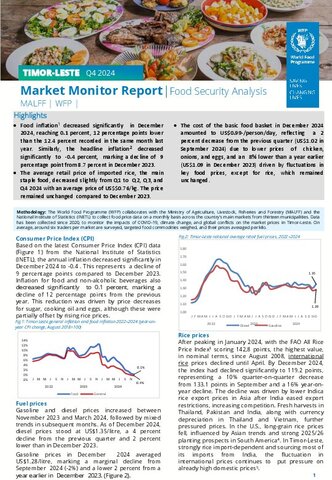
Compared to Indonesia or other Southeast Asian countries, food in Timor-Leste is often more expensive, especially for imported goods. Local products are affordable, but the lack of large-scale supermarkets and reliance on imports means prices can be higher overall.
For example, a meal at a local restaurant in Indonesia might cost $1. 50, while in Timor-Leste it’s closer to $3. 00. Milk and cheese are also more expensive due to import costs. However, fruits, vegetables, and fresh fish are similar in price or sometimes even cheaper.
Here’s a quick comparison of common items:
| Item | Timor-Leste (USD) | Indonesia (USD) |
|---|---|---|
| Rice (1 kg) | $1.30 | $1.00 |
| Eggs (12) | $2.20 | $1.50 |
| Chicken (1 kg) | $4.50 | $3.00 |
| Milk (1 liter) | $1.50 | $1.00 |
| Bananas (1 dozen) | $1.00 | $0.60 |
| Meal at local restaurant | $3.00 | $1.50 |
This shows why budgeting for food is important when living in or visiting Timor-Leste.
Unique Food Culture And What To Expect
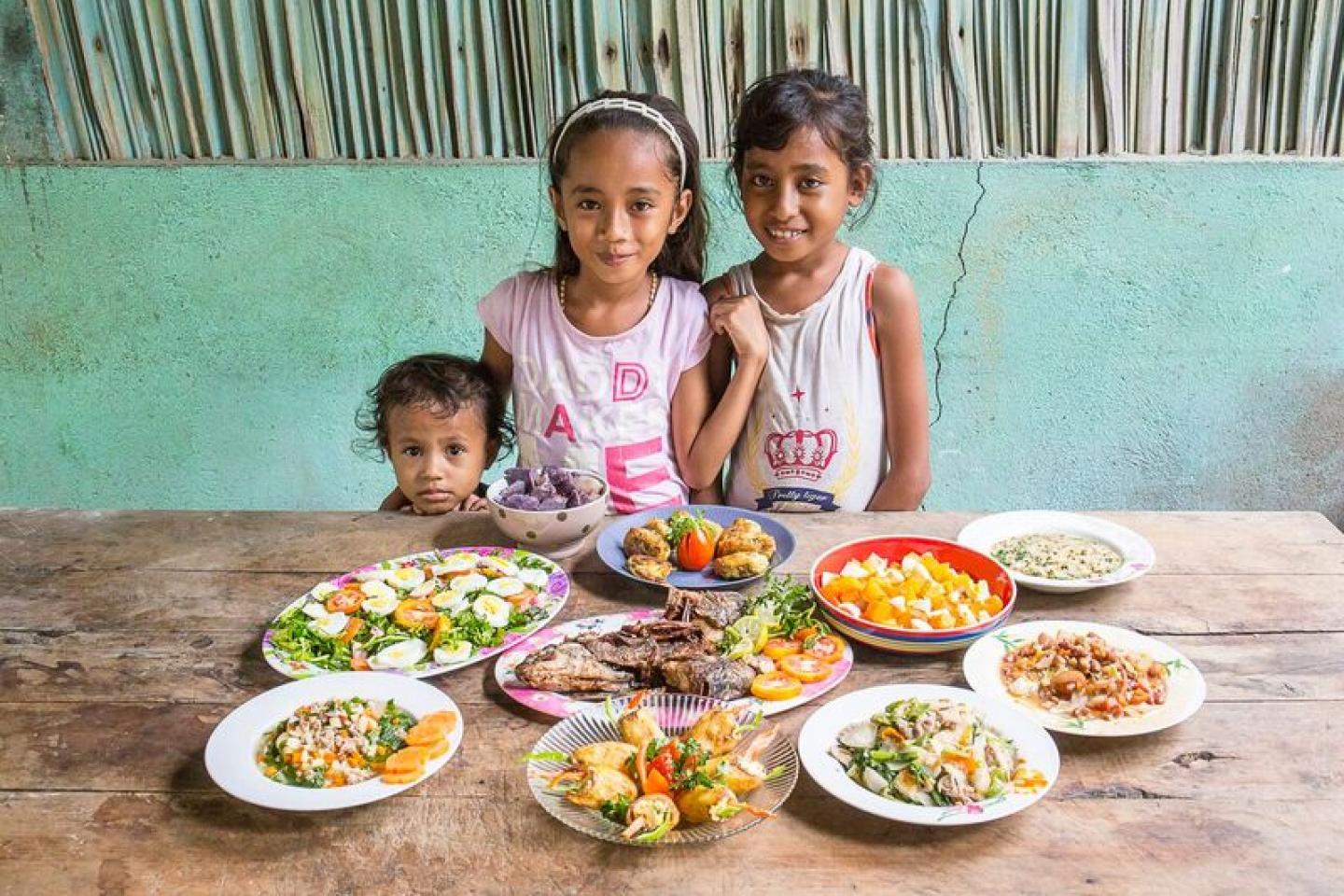
Timor-Leste’s food culture is a mix of Portuguese, Indonesian, and local Timorese influences. Rice, corn, and cassava are staples. Fish is common near the coast, while chicken and goat are more popular inland. Meals are simple but tasty, often using fresh herbs, coconut, and chili.
Some unique local dishes to try:
- Ikan sabuko: Grilled fish with tamarind marinade
- Batar daan: Corn, pumpkin, and beans stew
- Tapai: Fermented rice or cassava dessert
- Bibinka: Coconut rice cake
While you won’t find many fast-food chains or processed foods, you will discover a rich variety of fresh, homemade dishes.
One thing many visitors don’t realize is that Timor-Leste’s coffee is among the best in the world. Locally grown and roasted, a cup of strong black coffee in a café costs just $1–$2.
Credit: scalingupnutrition.org
Frequently Asked Questions
How Much Does A Meal Cost In Timor-leste?
A basic meal at a local restaurant costs $2.50–$4.00. Street food is even cheaper, starting at $0.50. International restaurants are more expensive, with main dishes from $7 to $15.
Are Supermarkets Expensive In Timor-leste?
Supermarkets are more expensive than local markets, especially for imported products. Local produce is still affordable, but branded items and snacks cost much more than in neighboring countries.
Is It Safe To Eat Street Food In Timor-leste?
Yes, as long as you pick busy stalls with high turnover. Street food is cheap, fresh, and a great way to experience local flavors. Avoid food that has been sitting out for a long time.
Can You Find Vegetarian Or Vegan Food Easily?
Vegetarian food is common, as many local dishes are based on rice, beans, and vegetables. However, vegan options may be limited, especially in rural areas. If you prepare your own meals, it’s easy to find fresh vegetables and fruits.
Where Can I Find More Information On Timor-leste’s Cost Of Living?
You can visit Wikipedia’s Cost of Living in Timor-Leste page for more detailed data and resources.
Timor-Leste offers an authentic and affordable food experience for those who know where to look. With a little planning and an open mind, you’ll find fresh, tasty meals that suit any budget. If you focus on local markets and dishes, you’ll eat well without spending too much—and enjoy the real flavors of this fascinating country.