If you plan to visit or live in Tajikistan, you might wonder how much you’ll spend on food. Prices can be very different from what you find in Western countries, and local habits shape costs in interesting ways. Whether you’re a budget traveler, an expat, or a curious local, understanding food prices in Tajikistan can help you plan better, avoid surprises, and make the most of your meals.
Let’s explore what you should expect to pay for food—from street snacks and markets to restaurants and supermarkets—so you can eat well and smart in Tajikistan.
Typical Food Prices In Tajikistan
The cost of food in Tajikistan depends on where you eat, what you buy, and the season. Most locals shop at bazaars, and imported goods are often pricier. Here’s a quick look at the average prices you might see in 2024:
- A basic lunch in a local café: 25–40 TJS ($2.30–$3.70)
- Dinner for two at a mid-range restaurant: 120–200 TJS ($11–$18)
- Simple street food snack: 5–10 TJS ($0.45–$0.90)
- 1 kg of local apples: 8–12 TJS ($0.75–$1.10)
- 1 kg of chicken breast: 35–45 TJS ($3.20–$4.10)
- 1.5L bottle of water: 4–6 TJS ($0.35–$0.55)
- Loaf of bread: 3–5 TJS ($0.25–$0.45)
These are average prices in the capital, Dushanbe. Outside big cities, costs can be even lower.
Eating Out: Restaurants, Cafes, And Street Food
Dining out in Tajikistan is affordable compared to many countries. The price depends on the type of place and what you order.
Local Restaurants And Teahouses
A simple lunch in a chaikhana (teahouse) or local café can cost as little as 25 TJS ($2.30). This usually includes a plate of plov (rice with meat and carrots), soup, salad, and bread. In Dushanbe, mid-range restaurants charge more, but the portions are larger and the atmosphere is nicer.
For a full dinner for two with drinks at a decent restaurant, expect to pay around 150 TJS ($13. 50). International restaurants—Italian, Chinese, or Turkish—are pricier, sometimes charging over 250 TJS ($22) for two people.
Street Food
Street food is popular and very cheap. You can get a samosa or cheburek (meat pastry) for 5–8 TJS ($0.45–$0.70). A shashlik (grilled meat skewer) usually costs 10–15 TJS ($0.90–$1.35). Non, the local bread, is sold everywhere for 3–5 TJS.
Fast Food Chains
Tajikistan has a few fast food chains in the capital. A burger, fries, and drink combo often costs 35–50 TJS ($3. 20–$4. 50), which is more expensive than local food but still cheap for visitors from wealthier countries.
Example: Dinner Cost Comparison
Here’s how much a meal for one costs in different types of places:
| Type of Place | Meal (TJS) | Meal (USD) |
|---|---|---|
| Street food stand | 10 | 0.90 |
| Local teahouse | 30 | 2.70 |
| Mid-range restaurant | 70 | 6.30 |
| International restaurant | 120 | 10.80 |
Grocery Shopping: Markets Vs Supermarkets
Many people in Tajikistan shop at open-air markets (bazaars). These are the best places to buy fresh produce, grains, and local food. Supermarkets are becoming more common, especially in cities, but prices are often higher.
Prices At Bazaars
Produce is very affordable. Here are some typical market prices in Dushanbe:
- Potatoes (1 kg): 5–7 TJS ($0.45–$0.65)
- Tomatoes (1 kg): 8–12 TJS ($0.75–$1.10)
- Carrots (1 kg): 4–6 TJS ($0.35–$0.55)
- Eggs (10 pcs): 14–18 TJS ($1.25–$1.60)
- Rice (1 kg): 12–16 TJS ($1.10–$1.45)
- Beef (1 kg): 60–75 TJS ($5.40–$6.80)
Some prices, like for tomatoes or cucumbers, change a lot depending on the season. In summer, local fruits and vegetables are cheap and fresh. In winter, imports drive up costs.
Supermarket Shopping
Supermarkets stock more packaged food and imports. For imported cheese, chocolate, or breakfast cereal, expect to pay at least double the local price. For example, a box of imported cornflakes can cost 35–45 TJS ($3. 20–$4. 10).
Here’s a comparison of prices for some common items:
| Product | Bazaar Price (TJS) | Supermarket Price (TJS) |
|---|---|---|
| 1 kg apples | 10 | 14 |
| 1 kg beef | 65 | 80 |
| 1 L milk | 8 | 11 |
| 1 loaf bread | 4 | 6 |
Shopping at bazaars saves money, but supermarkets offer more convenience and international brands.
Cost Of Local Foods And Dishes
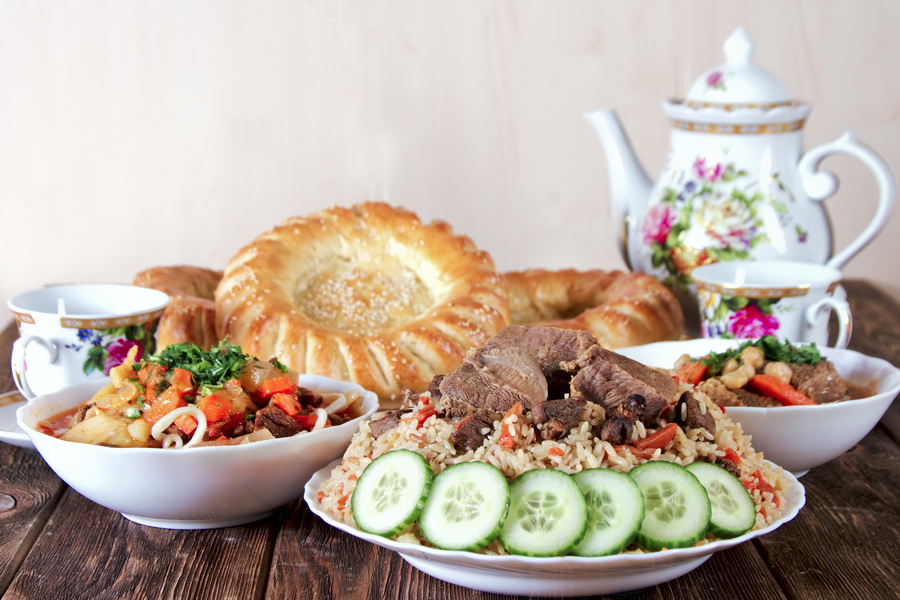
Tajik cuisine is simple, hearty, and based on local ingredients. Here are some popular dishes and what you’ll pay at a small local eatery:
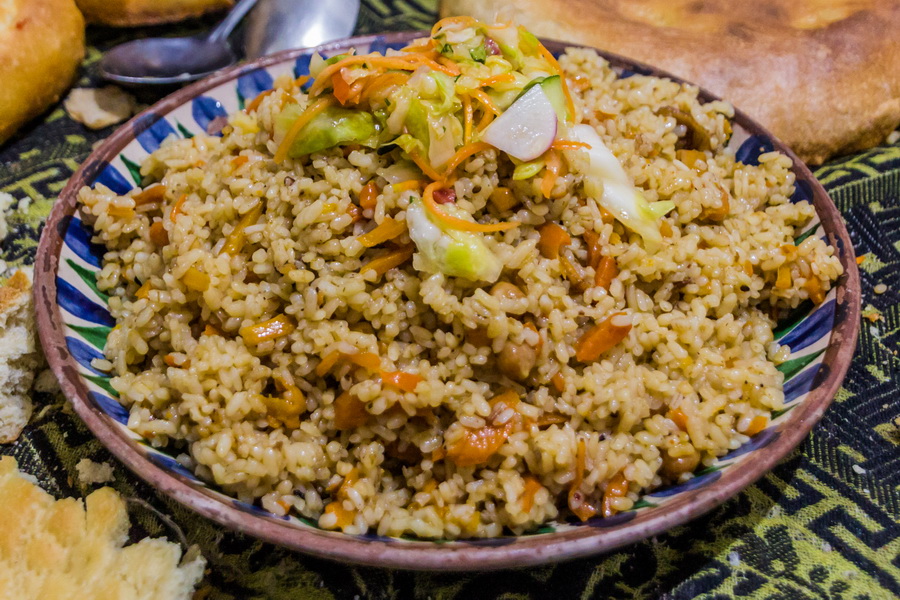
- Plov (rice with meat): 25–35 TJS ($2.30–$3.20) per serving
- Lagman (noodle soup with meat and vegetables): 20–30 TJS ($1.80–$2.70)
- Shurbo (soup with meat and vegetables): 15–25 TJS ($1.35–$2.30)
- Samsa (meat pastry): 5–8 TJS ($0.45–$0.70)
- Non (round bread): 3–5 TJS ($0.25–$0.45)
Many of these dishes are filling, so one portion is often enough for a meal.
Credit: www.advantour.com
Monthly Food Budget: How Much Do You Need?
How much you spend each month on food in Tajikistan depends on your lifestyle. Here are three sample budgets:
1. Local Student Or Budget Traveler
- Eats mostly at home or markets
- Sometimes eats street food
- Rarely visits restaurants
Average monthly food cost: 450–650 TJS ($40–$60)
2. Average Local Family
- Shops at bazaars and sometimes supermarkets
- Eats out a few times per month
Average monthly food cost: 900–1300 TJS ($80–$115)
3. Expat Or Foreigner With Western Tastes
- Shops at supermarkets, buys imported goods
- Eats out regularly, includes some international food
Average monthly food cost: 2000–3000 TJS ($180–$270)
Here’s a quick side-by-side comparison:
| Lifestyle | Monthly Cost (TJS) | Monthly Cost (USD) |
|---|---|---|
| Budget traveler/student | 550 | 49 |
| Average local family | 1100 | 98 |
| Expat/Western lifestyle | 2500 | 225 |
One non-obvious insight: If you eat only local food and buy at bazaars, you’ll spend much less than if you rely on imported products. Even foreign visitors can eat well on a small budget by following local habits.
Seasonal And Regional Price Differences
Prices for food in Tajikistan change with the season and location. In summer and autumn, fresh fruits and vegetables are everywhere and very cheap. Melons, grapes, and tomatoes can cost half the winter price.
In winter, many items are imported from Uzbekistan or farther, pushing prices up. For example, tomatoes can jump from 10 TJS per kilo in July to 25 TJS in January.
Remote mountain regions also have higher prices because transportation is difficult. In the Pamir region, expect to pay 20–30% more for basic foods than in Dushanbe.
Credit: www.advantour.com
What Affects Food Prices In Tajikistan?
Several factors influence the cost of food:
- Imports and exchange rates: Tajikistan imports many foods, especially in winter. Changes in the exchange rate can make imported goods more expensive.
- Local harvests: Good harvests mean lower prices for produce. Bad weather or droughts can cause sudden spikes.
- Transport costs: Fuel prices and road conditions affect how much you pay in remote areas.
- Government policy: Sometimes, the government controls the price of basic foods like bread and flour, but these controls can change.
A non-obvious insight: If you see a sudden jump in food prices, it’s often linked to currency changes or problems with the local harvest. Watching local news can help you plan your shopping or stock up when prices are low.
Tips To Save Money On Food In Tajikistan
- Shop at bazaars: Prices are lower, and you can bargain for discounts if you buy more.
- Buy seasonal produce: Fruits and vegetables are much cheaper in season.
- Eat local food: Traditional dishes are filling and cost less than Western meals.
- Cook at home: Supermarket and imported food can add up quickly, so cooking local recipes saves money.
- Ask locals for advice: They know which markets have the best prices and freshest food.
Many foreigners don’t realize that supermarkets often charge more for the same local products you find in the bazaar. Always compare before buying.
Credit: foodperestroika.com
International Food And Special Diets
International and specialty foods—like gluten-free products, vegan items, or European cheese—are available in larger supermarkets, but they are expensive. For example, a small block of imported cheese can cost 60–100 TJS ($5. 40–$9). Vegan or health food products are rare and usually cost two to three times more than in Europe or the US.
If you have special dietary needs, plan to bring some products with you or expect to pay a premium.
For more detailed and up-to-date price lists, you can also check the Economy of Tajikistan page on Wikipedia.
Frequently Asked Questions
How Much Does It Cost To Eat Out In Tajikistan?
Eating out is affordable. A basic meal in a local café costs about 25–40 TJS ($2.30–$3.70). Dinner in a mid-range restaurant for two people is usually 120–200 TJS ($11–$18). Street food is even cheaper, often under 10 TJS ($0.90) for a snack.
Are Supermarkets Or Bazaars Cheaper For Shopping?
Bazaars are usually cheaper, especially for fresh produce and local products. Supermarkets offer convenience and imported goods, but prices are higher for the same local items.
Is It Expensive To Buy Imported Food In Tajikistan?
Yes, imported food is much more expensive than local products. Items like foreign cheese, chocolate, or cereal can cost two or three times the local equivalent. If you want to save money, stick to local brands and ingredients.
How Much Should I Budget For Food Per Month?
A local student or budget traveler spends about 450–650 TJS ($40–$60) monthly. An average family might spend 900–1300 TJS ($80–$115). If you eat out often or buy imported foods, expect to spend 2000–3000 TJS ($180–$270) or more.
Do Food Prices In Tajikistan Change During The Year?
Yes, food prices change with the seasons. Fresh fruits and vegetables are cheaper in summer and autumn. In winter, prices rise, especially for imported or out-of-season items.
Eating in Tajikistan can be very affordable if you follow local habits, shop smart, and stay aware of seasonal changes. Whether you’re a traveler on a budget or someone looking for comfort foods from home, knowing the real costs helps you enjoy your time—and meals—in this Central Asian country.