Are you curious about how much you’ll spend on food in Sweden? Whether you’re planning a trip, moving, or just want to know, understanding food costs can help you budget better and avoid surprises.
From fresh groceries to dining out, food prices in Sweden might be different from what you’re used to. This guide will break down everything you need to know about food expenses, so you can make smart choices and enjoy your time without worrying about overspending.
Keep reading to discover the real cost of eating in Sweden and how to get the best value for your money.
Credit: www.globalprice.info
Food Prices In Sweden
Food prices in Sweden reflect the country’s high living standards and quality. Expect to pay more than in many other European nations. Fresh, local ingredients and sustainable practices contribute to costs. Understanding these prices helps plan your budget better.
Average Grocery Costs
Groceries in Sweden can be pricey. A loaf of bread costs about 25 SEK. One liter of milk is around 10 SEK. Eggs usually sell for 30 SEK per dozen. Fresh fruits and vegetables vary, but expect to pay 20 to 50 SEK per kilo. Meat and fish are more expensive, often above 100 SEK per kilo. Supermarkets like ICA and Coop offer good choices.
Dining Out Expenses
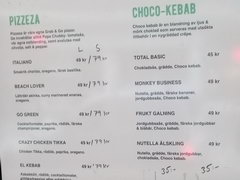
Eating out in Sweden is relatively costly. A meal at a casual restaurant costs 120 to 200 SEK. Fast food options like burgers or sandwiches are cheaper, about 70 to 100 SEK. Coffee and pastries at cafes usually cost 40 to 60 SEK. Fine dining can exceed 400 SEK per person. Tips are not mandatory but appreciated.
Regional Price Differences
Prices vary by region in Sweden. Stockholm and Gothenburg are the most expensive cities. Smaller towns and rural areas often have lower prices. Grocery stores outside big cities may have fewer options. Dining out in smaller towns can save you money. Local markets sometimes offer better deals on fresh produce.

Credit: www.youtube.com
Common Food Items And Their Costs
Food prices in Sweden vary depending on the type of item. Knowing the costs of common foods helps plan your budget. Below are typical prices for everyday groceries in Sweden.
Fruits And Vegetables
Fresh fruits and vegetables cost around 20 to 40 SEK per kilogram. Apples and bananas usually cost about 25 SEK per kilo. Seasonal vegetables like potatoes and carrots are cheaper, near 15 SEK per kilo. Organic options tend to be 10 to 20 SEK more expensive.
Meat And Seafood
Meat prices range from 80 to 150 SEK per kilogram. Chicken is often the cheapest meat, around 90 SEK per kilo. Beef and pork cost more, between 120 and 150 SEK. Seafood prices vary widely; salmon costs about 150 SEK per kilo, while shrimp can be 200 SEK or higher.
Dairy Products
Milk costs approximately 10 SEK per liter. Cheese prices vary; local cheese is about 80 SEK per kilo. Yogurt and butter usually cost 20 to 40 SEK per item. Dairy in Sweden is fresh and of good quality.
Bread And Grains
Bread prices start at 20 SEK for a loaf of white bread. Whole grain and rye bread are often slightly more expensive. Rice and pasta cost around 15 to 30 SEK per package. Bread is a staple in Swedish meals.
Shopping Tips For Saving Money
Saving money on food in Sweden is possible with smart shopping. Simple habits help stretch your budget without cutting quality. Small changes make a big difference. Here are some tips to shop wisely and save more.
Best Places To Shop
Discount supermarkets like Lidl and Willys offer lower prices. They have good deals on everyday items. Regular grocery stores such as ICA and Coop can be pricier. But they often have sales and loyalty programs. Markets and local stores sometimes sell fresh food cheaper. Explore different places to find the best prices near you.
Using Discounts And Coupons
Many stores give discount coupons through apps or flyers. Save these coupons and use them before they expire. Some shops have loyalty cards that offer points or discounts. Check store websites or apps for weekly deals. Plan shopping around these discounts to save more money.
Buying Seasonal And Local Produce
Seasonal fruits and vegetables cost less and taste better. Local produce has lower transport costs, making it cheaper. Visit farmer’s markets or local stands for fresh, affordable options. Buying what is in season helps you get the best value. It supports local farmers and reduces waste too.
Affordable Meal Ideas
Eating well in Sweden does not have to be expensive. There are many ways to enjoy tasty meals without spending too much money. Affordable meal ideas help you save while trying local flavors. Simple dishes and smart planning make a big difference.
Budget-friendly Swedish Dishes
Swedish cuisine offers many affordable options. Meatballs with potatoes are filling and cheap. Pea soup with pancakes is a traditional, low-cost meal. Rye bread with cheese or cold cuts makes a quick snack. These dishes use common ingredients found in most stores. They bring authentic taste without high prices.
Quick And Easy Recipes
Simple recipes save time and money. Pasta with tomato sauce uses basic ingredients. Vegetable stir-fry is healthy and fast to cook. Omelets with vegetables or cheese are both cheap and tasty. These meals require few ingredients but deliver great flavor. Perfect for busy days or small budgets.
Meal Planning Strategies
Planning meals helps control costs. Buy ingredients in bulk for savings. Use leftovers to avoid waste and stretch meals. Cook large portions and freeze extras for later. Planning shopping lists prevents buying unnecessary items. These strategies make eating affordable and stress-free.
Impact Of Taxes And Import Costs
Taxes and import costs have a strong effect on food prices in Sweden. These charges increase the final cost that consumers pay at the store. Understanding these factors helps explain why some food items are more expensive than others.
Sweden applies taxes to many products, including food. Import costs also add to the price when food comes from other countries. These costs cover transportation, customs fees, and other expenses.
Vat On Food Items
Value Added Tax (VAT) is included in most food prices in Sweden. The VAT rate for food is generally 12%. Some food items have a lower or zero VAT rate, but these are exceptions. VAT raises the cost of groceries by a small but noticeable amount.
Retailers must include VAT in the price shown on labels. This tax helps fund public services but also makes food pricier than in countries with lower VAT rates.
Imported Vs Local Products
Imported foods usually cost more than local products. Shipping and customs fees increase the price. Seasonal fruits and exotic items often fall into this category.
Local foods benefit from lower transport costs. Farmers’ markets and local stores often sell these products at better prices. Buying local helps reduce the impact of import charges on your grocery bill.

Credit: www.kateandmikestravels.com
Frequently Asked Questions
How Expensive Is Eating Out In Sweden?
Eating out in Sweden typically costs between 100-200 SEK per person. Fast food meals average 70-90 SEK. Mid-range restaurants charge around 150-300 SEK. Prices vary by city and location but are generally higher than many European countries.
What Is The Average Grocery Cost In Sweden?
Monthly grocery expenses in Sweden range from 2500 to 4000 SEK per person. Staples like bread, milk, and vegetables are moderately priced. Imported products and organic foods tend to cost more. Shopping at discount stores helps reduce overall expenses.
Are There Budget-friendly Food Options In Sweden?
Yes, budget-friendly options include supermarkets like Lidl and ICA. Street food markets and food trucks offer affordable meals. Cooking at home with local ingredients is cost-effective. Many restaurants also have lunch specials at lower prices.
How Much Does Coffee Cost In Sweden?
A regular coffee in Sweden costs around 25-40 SEK. Specialty coffee shops may charge more, up to 50 SEK. Coffee is popular and widely available, with prices reflecting quality and location.
Conclusion
Food prices in Sweden vary but stay fairly reasonable overall. Eating out costs more than buying groceries. Local markets offer fresh produce at good prices. Planning meals and shopping smart saves money. Trying traditional Swedish foods adds fun to your trip.
Knowing food costs helps you budget better. Enjoy Sweden’s food without worrying too much about expenses. Simple choices make a big difference in spending. Keep these tips in mind for a tasty, affordable experience.