Planning a trip to Norway or thinking about moving there? One question probably on your mind is, “How much is food in Norway?”
Food costs can quickly add up and surprise you if you’re not prepared. Knowing what to expect will help you manage your budget and enjoy your time without stress. You’ll discover the real prices of everyday groceries, dining out, and tips to save money on food in Norway.
Keep reading to get the full picture and make smart choices for your wallet!
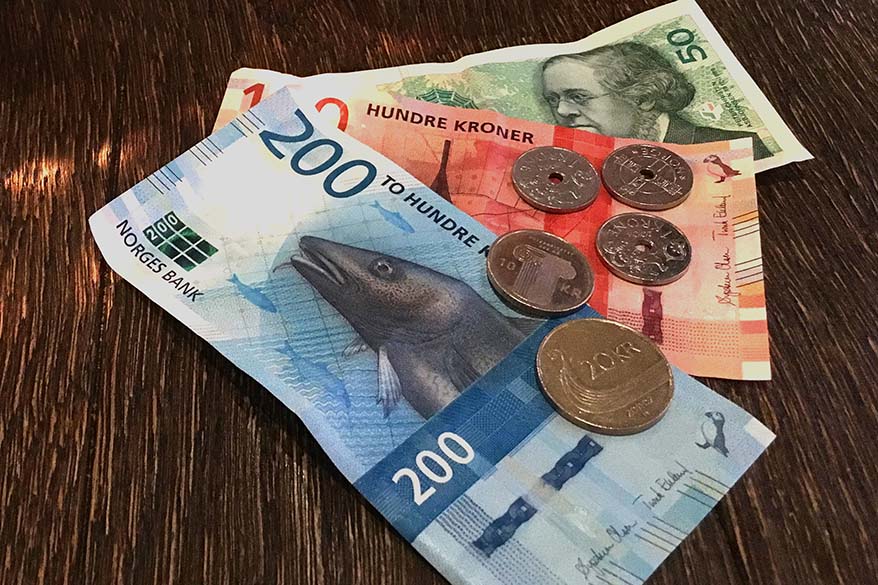
Credit: fullsuitcase.com
Food Costs In Norway
Food costs in Norway are known to be high compared to many other countries. Many factors affect these prices, such as import taxes and local production costs. Understanding food expenses helps plan a budget for living or traveling in Norway.
Whether you shop at grocery stores or eat out, prices can vary widely. Knowing the typical costs makes it easier to manage daily expenses. Let’s explore the average grocery prices, dining out expenses, and regional price differences.
Average Grocery Prices
Grocery prices in Norway are generally higher than in most European countries. Basic items like bread, milk, and eggs usually cost more. For example, a liter of milk costs about 20 NOK, and a loaf of bread is around 30 NOK. Fresh fruits and vegetables often have a higher price tag due to import costs. Meat and fish are also expensive but are popular in Norwegian diets. Buying local products can sometimes reduce costs slightly.
Dining Out Expenses
Eating out in Norway is quite costly. A simple meal at an inexpensive restaurant may cost around 150-200 NOK. Mid-range restaurants charge approximately 300-500 NOK for a three-course meal. Fast food options are cheaper but still more expensive than many other countries. Alcohol and soft drinks add extra costs. Tipping is not mandatory but appreciated for good service.
Regional Price Differences
Food prices vary across Norway’s regions. Big cities like Oslo and Bergen tend to have higher prices. Rural areas may offer cheaper groceries but fewer dining options. Coastal regions often have fresher and sometimes less expensive fish. Touristic places usually have higher dining costs. Shopping at local markets can help save money in many areas.
Budget-friendly Grocery Shopping
Food in Norway can be expensive, but grocery shopping on a budget is possible. Planning and smart choices help stretch your money further. Understanding where and how to shop saves you a lot.
Affordable Supermarkets
Discount supermarkets offer lower prices than regular stores. Chains like Rema 1000, Kiwi, and Coop Extra have good deals. These stores focus on basics and often run weekly specials. Shopping here reduces your grocery bill significantly.
Seasonal And Local Produce
Buying fruits and vegetables in season costs less. Local markets sell fresh produce that is cheaper than imported goods. Seasonal food tastes better and lasts longer. Check what is growing around you to save money.
Discounts And Loyalty Programs
Many stores offer discounts on certain days or items. Loyalty cards give points that you can use later. These programs often include special offers for members. Signing up is free and helps you save on groceries.
Eating Out Without Overspending
Eating out in Norway can be expensive, but there are ways to enjoy meals without spending too much. Knowing where and how to eat helps save money. You can still enjoy good food and experience local flavors on a budget.
Choosing the right places and understanding local customs makes dining affordable. This guide shows easy ways to eat out without overspending.
Inexpensive Restaurant Options
Many restaurants offer set menus or lunch specials at lower prices. These meals often include a main dish and a drink. Look for places outside tourist areas for better deals. Family-run restaurants and local diners usually have cheaper options. Avoid fancy restaurants if you want to save money.
Street Food And Cafes
Street food is popular in Norwegian cities and often costs less. Try hot dogs, waffles, or fish cakes from food trucks. Cafes also serve light meals like sandwiches and soups. These places offer tasty food without the high prices of restaurants. Eating at street stalls or cafes is a good way to try local flavors cheaply.
Tipping Culture
Tipping is not required in Norway. Service charges are included in the bill. If you get great service, you can round up the bill or leave a small tip. Do not feel pressured to tip large amounts. Understanding this helps avoid extra costs while dining out.
Saving Tips For Expats And Tourists
Food in Norway can be expensive for expats and tourists. Saving money is important to enjoy your stay without stress. Some smart habits help reduce food costs. These tips work well for daily meals and special occasions.
Planning ahead and using resources wisely will stretch your budget. Small changes make a big difference. Here are practical ways to save on food in Norway.
Meal Planning And Cooking At Home
Buying ingredients and cooking at home cuts costs significantly. Plan your meals for the week before shopping. This prevents buying extra food that may go to waste. Simple recipes with local ingredients save money and time. Cooking also allows control over portion sizes and quality. Eating out often adds up fast, so limit it to treats.
Using Apps For Deals
Many apps show discounts and special offers in Norwegian stores. Some apps notify about price drops and clearance sales. Checking these apps before shopping helps find good deals. Apps also help compare prices between supermarkets. Using digital coupons reduces the total bill. These tools are easy and free to use.
Bulk Buying And Storage
Buying food in bulk lowers the price per item. Non-perishable goods like rice, pasta, and canned food last long. Store them properly to avoid spoilage. Bulk meat or frozen vegetables also save money. Share bulk purchases with friends or neighbors to split costs. Good storage extends food life and reduces waste.
Comparing Norway’s Food Prices Globally
Food prices in Norway are higher compared to many countries worldwide. Daily groceries and eating out can cost more, reflecting the country’s living standards. Understanding these costs helps plan a budget for visitors and residents alike.
Cost Differences With Neighboring Countries
Norway’s food prices stand out in the Nordic region. Compared to Sweden and Denmark, groceries cost more in Norway. Fresh produce, dairy, and meat are notably pricier. These differences arise from local production costs and consumer demand. Tourists often notice the price gap when crossing borders. Even staple items like bread and milk show clear cost variations. Norway remains one of the most expensive countries for food in Northern Europe.
Impact Of Import And Taxes
Norway imports many food products due to its cold climate. Import costs add to the final price on shelves. High taxes and tariffs also raise food prices. The government applies value-added tax (VAT) on most food items. These taxes fund social services but increase consumer costs. Local farmers face challenges competing with cheaper imported goods. The combined effect of imports and taxes makes groceries expensive in Norway.
Trends In Food Inflation
Food prices in Norway have steadily increased over the years. Inflation affects fresh produce and packaged goods alike. Rising costs of fuel and labor push prices higher. Seasonal changes impact the availability and price of some foods. Consumers notice a gradual rise in grocery bills annually. This trend aligns with global inflation but remains higher than many countries. Understanding these trends helps plan a food budget in Norway.
Credit: homesteadliving.com

Credit: afroginthefjord.com
Frequently Asked Questions
How Expensive Is Eating Out In Norway?
Eating out in Norway is quite pricey. A meal at an inexpensive restaurant costs around 150-200 NOK. Mid-range restaurants charge 400-600 NOK for a three-course meal. Prices reflect high living costs and quality ingredients.
What Is The Average Cost Of Groceries In Norway?
Groceries in Norway are generally expensive. Basic items like milk cost about 20 NOK per liter. Bread costs around 30-40 NOK per loaf. Imported goods and fresh produce tend to be pricier due to Norway’s remote location.
Are There Affordable Food Options In Norway?
Yes, affordable options exist. Supermarkets like Rema 1000 offer budget-friendly groceries. Street food and fast food chains provide cheaper meals, typically under 100 NOK. Shopping local markets and cooking at home also help save money.
How Much Does Coffee Cost In Norway?
A regular coffee in Norway costs around 30-45 NOK. Specialty coffee shops may charge higher prices. Coffee prices reflect Norway’s high cost of living and quality standards.
Conclusion
Food prices in Norway can be high but vary by place and item. Cooking at home helps save money and enjoy fresh ingredients. Eating out costs more but offers a chance to try local dishes. Planning your meals and shopping smart can make your budget stretch further.
Norway’s food is fresh and tasty, worth the cost. You can enjoy good meals without spending too much. Simple choices and careful spending make a big difference.