Are you curious about how much you’ll spend on food in the Netherlands? Whether you’re planning a trip, moving there, or just want to know what to expect, understanding food costs can help you manage your budget better.
From fresh groceries to dining out, the prices might surprise you. Keep reading to discover practical tips and real numbers that will make your food planning in the Netherlands simple and stress-free. Your wallet will thank you!
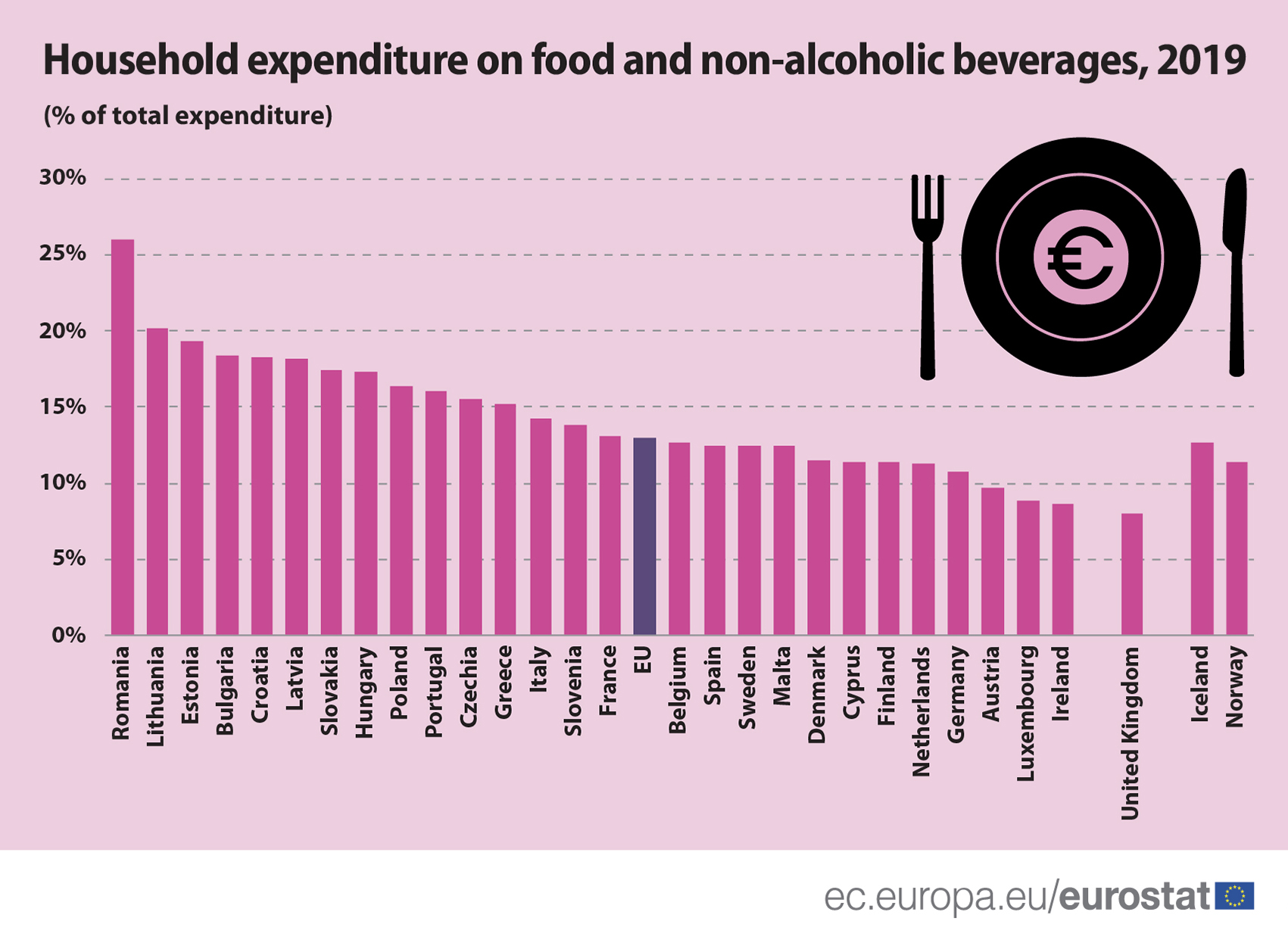
Credit: ec.europa.eu
Grocery Prices
Grocery prices in the Netherlands vary depending on the type of food and where you shop. Dutch supermarkets offer a wide range of products at affordable prices. Many people buy fresh and local items to save money. Understanding common costs helps you plan your budget better.
Staple Foods
Rice, pasta, and potatoes are common staples in Dutch kitchens. A kilogram of rice costs around €1.50 to €2. Pasta prices range from €0.80 to €1.50 per 500 grams. Potatoes are cheap, usually under €1 per kilogram. These items form the base of many meals.
Fresh Produce
Vegetables and fruits are fresh and widely available. Apples cost about €1.50 to €2 per kilogram. Tomatoes and cucumbers usually range from €1 to €2 per kilogram. Seasonal produce is often cheaper and tastes better. Markets offer good deals on fresh items.
Dairy And Eggs
Milk prices are around €1 per liter. Cheese varies depending on type, but local Dutch cheese costs about €10 per kilogram. Yogurt is affordable, usually €0.50 to €1 per container. Eggs typically cost €2 to €3 for a dozen. Dairy is a key part of many meals.
Meat And Seafood
Meat prices are higher than staples and produce. Chicken costs about €6 to €8 per kilogram. Beef and pork are more expensive, around €10 to €15 per kilogram. Seafood prices vary; fresh fish can cost €12 to €20 per kilogram. Buying from markets can save money.
Bakery Items
Bread is a daily essential in the Netherlands. A loaf of bread costs between €1 and €3. Rolls and pastries range from €0.30 to €1 each. Many bakeries offer fresh, tasty options. Buying bakery items from supermarkets is usually cheaper.
Beverages
Water is often free or very cheap. Soft drinks cost about €1 to €2 per liter. Coffee and tea prices vary but stay around €2 to €5 per pack. Alcoholic drinks like beer and wine are more expensive, starting at €1 per bottle. Supermarkets have many beverage choices.
Eating Out Costs
Eating out in the Netherlands offers many choices for every budget. Prices vary depending on the type of restaurant. You can find affordable meals or splurge on fine dining. This guide helps you understand the costs at different places.
Budget Restaurants
Budget restaurants serve simple meals at low prices. Expect to pay around €8 to €15 for a main dish. Many places offer traditional Dutch food or international fast meals. These spots are great for travelers on a tight budget.
Mid-range Dining
Mid-range restaurants provide a more relaxed atmosphere. Prices usually range from €15 to €30 for a main course. You get better quality food and often a starter or dessert. These restaurants suit casual dinners with friends or family.
High-end Restaurants
High-end restaurants charge €40 or more for a main dish. These places focus on gourmet meals and top service. Expect creative menus and fine ingredients. Perfect for special occasions or a luxury experience in the Netherlands.
Fast Food Options
Fast food options are common and affordable. A burger or sandwich costs about €5 to €8. Chains like McDonald’s and local snack bars serve quick meals. Ideal for a fast bite without spending much.
Cafes And Coffee Shops
Cafes offer light meals, snacks, and drinks. Prices for sandwiches or pastries are around €3 to €7. Coffee shops also serve coffee for about €2 to €4. These spots are good for casual breaks or light lunches.
Regional Price Differences
Food prices in the Netherlands vary depending on the region. Different areas have different costs for groceries, eating out, and local products. Knowing these differences helps plan your budget better. Prices tend to be higher in cities and lower in rural places.
Amsterdam And Major Cities
Amsterdam and other large cities like Rotterdam and Utrecht have higher food prices. Restaurants charge more for meals. Grocery stores in city centers also cost more. Imported and specialty foods raise the average prices. Convenience stores and markets may offer some savings.
Smaller Towns And Rural Areas
Smaller towns and rural areas offer lower food prices. Local markets often sell fresh produce at better rates. Fewer tourists mean restaurants keep prices reasonable. Supermarkets outside big cities usually have cheaper options. The cost difference can be quite noticeable compared to big cities.
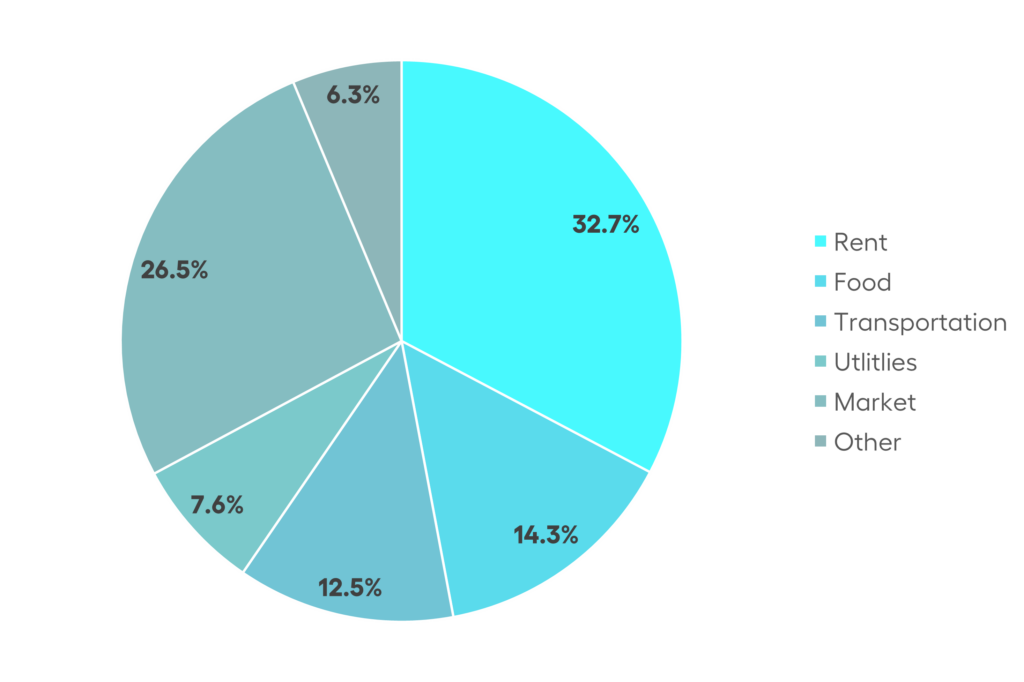
Credit: www.instarem.com
Shopping Tips
Shopping smart helps you save money on food in the Netherlands. Small changes in where and how you buy make a big difference. Use these tips to find good deals without losing quality.
Discount Stores
Discount stores offer lower prices on many food items. Chains like Lidl and Aldi are popular for affordable groceries. These stores have weekly specials that cut costs further. Check their flyers before shopping to spot good deals.
Farmers Markets
Farmers markets sell fresh, local produce at fair prices. Buying directly from farmers often means fresher goods. Visit markets near you on weekends for fruits, vegetables, and cheese. Prices may be lower than supermarkets, especially near closing time.
Seasonal Buying
Seasonal fruits and vegetables cost less and taste better. Choose produce that grows during the current season. For example, apples in autumn and asparagus in spring. This helps you avoid expensive imported items.
Bulk Purchases
Buying in bulk saves money on staples like rice, pasta, and beans. Stores like Makro or online shops offer discounts for large quantities. Store bulk food in airtight containers to keep it fresh longer. Share bulk buys with friends to reduce waste and costs.
Comparing Costs Internationally
Understanding food costs in the Netherlands helps when planning travel or living expenses. Comparing these costs internationally shows how affordable or expensive food really is. Food prices can vary a lot between countries. This section breaks down these differences clearly.
Netherlands Vs Neighboring Countries
Food in the Netherlands is generally cheaper than in Norway or Switzerland. These countries have higher living costs and wages. Compared to Belgium and Germany, Dutch food prices are quite similar. Some fresh produce may cost less in Germany. Eating out can be more expensive in the Netherlands than in Belgium. Overall, the Netherlands offers good value for food in the region.
Netherlands Vs Global Averages
Compared to global averages, food in the Netherlands is more costly than in many Asian or African countries. Basic groceries like bread and milk are affordable but not the cheapest worldwide. Western Europe tends to have higher food costs than global averages. The Netherlands fits this pattern with moderate to high prices. Imported goods and dining out raise the overall food bill.
Food Budgeting Strategies
Managing food costs in the Netherlands requires smart strategies. Careful planning and thoughtful habits help save money. These methods ensure you enjoy good food without spending too much.
Meal Planning
Plan your meals for the week. Write a list of ingredients before shopping. This avoids buying extra food that may go unused. Cooking at home saves money compared to eating out. Prepare meals in advance to reduce stress and control portions.
Reducing Waste
Use leftovers creatively to prevent throwing food away. Store food properly to keep it fresh longer. Freeze extra portions for future meals. Check expiration dates and eat perishable items first. Small actions reduce waste and cut costs.
Smart Shopping Habits
Buy local and seasonal produce for lower prices. Compare prices between stores before buying. Use discount cards or apps to find deals. Avoid shopping when hungry to prevent impulse buys. Purchase bulk items only if you use them regularly.
:max_bytes(150000):strip_icc()/46299-oliebollen-dutch-doughnuts-DDMFS-Beauty-4x3-95f08a9ddedd4cf4a859302bb14b7858.jpg)
Credit: www.allrecipes.com
Frequently Asked Questions
How Much Does Eating Out Cost In The Netherlands?
Eating out in the Netherlands costs around €10-€20 for a casual meal. Fast food is cheaper, about €5-€8. Higher-end restaurants charge €30 or more per person.
What Is The Average Grocery Bill In The Netherlands?
The average grocery bill per person is approximately €150-€250 monthly. Prices vary based on location and shopping habits. Fresh produce and dairy are moderately priced.
Are Street Food Prices Affordable In The Netherlands?
Yes, street food is affordable, usually costing €3-€7 per item. Popular options include fries, stroopwafels, and herring. It’s a budget-friendly way to enjoy Dutch cuisine.
How Expensive Is Coffee And Snacks In Dutch Cafes?
Coffee prices range from €2 to €4 in most cafes. Snacks like pastries or sandwiches cost €3-€6. Cafes offer a cozy, mid-priced option for breaks.
Conclusion
Food prices in the Netherlands are generally affordable. You can find meals that fit most budgets. Fresh produce and local markets offer good deals. Eating out might cost a bit more than cooking at home. Simple meals usually cost less than fancy dishes.
Planning your food shopping helps save money. Exploring local foods adds to the experience. Overall, eating in the Netherlands can be easy on your wallet. Just choose wisely and enjoy the variety available.