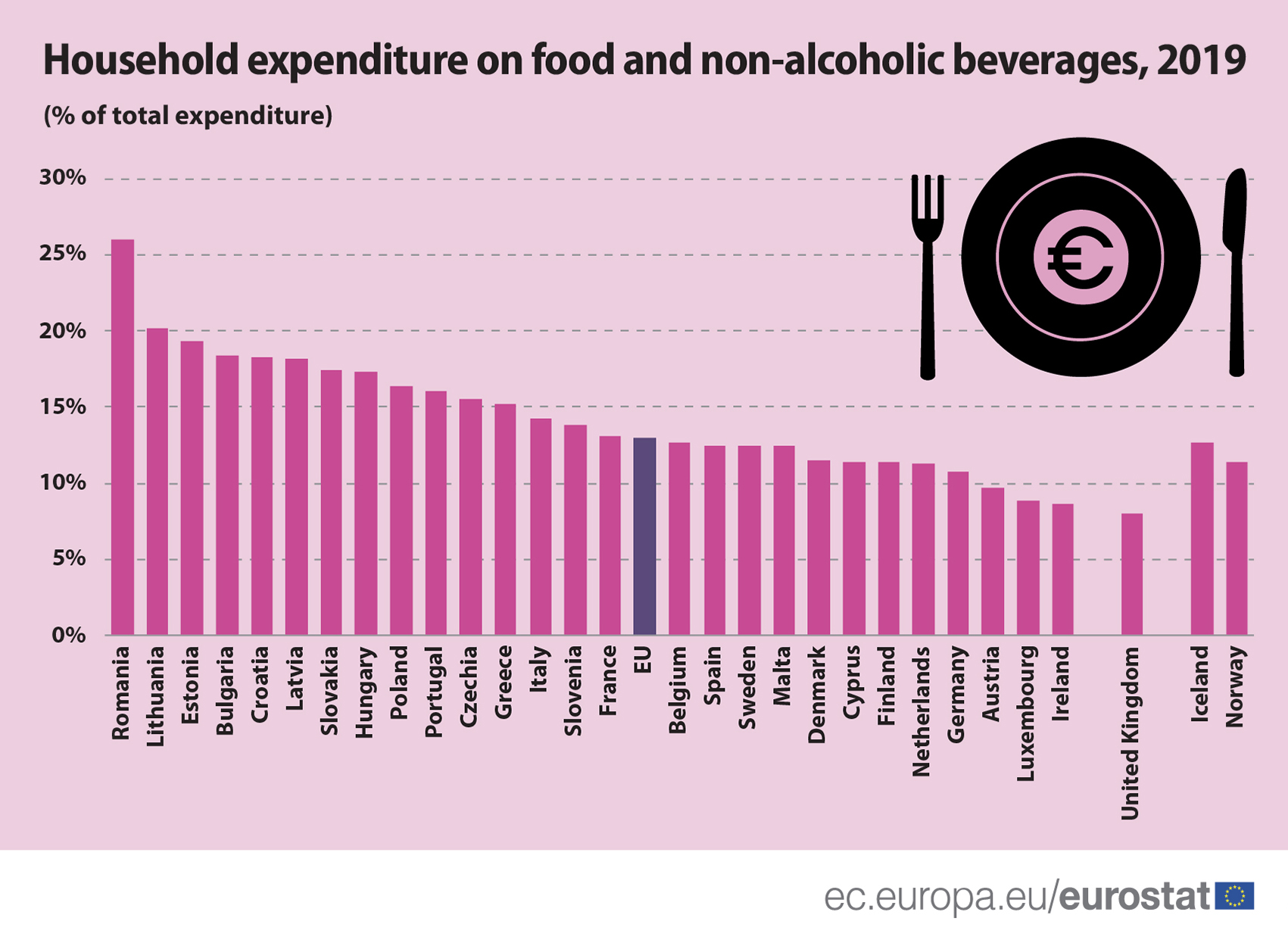
Planning a trip to Malta or thinking about moving there? One of the first questions on your mind is probably, “How much is food in Malta?”
Knowing the cost of food can help you budget better and avoid surprises. Whether you love dining out or prefer cooking at home, understanding food prices will make your experience smoother and more enjoyable. You’ll discover exactly what to expect when it comes to food costs in Malta—so you can make smart choices and enjoy every bite without worrying about your wallet.
Keep reading to find out more!
Credit: ec.europa.eu
Food Costs In Malta
Food costs in Malta vary depending on where and what you buy. This island nation offers a range of choices for groceries and dining out. Understanding these costs helps plan your budget better. Prices are generally affordable but can differ by region and type of food.
Average Grocery Prices
Basic groceries in Malta have reasonable prices. A liter of milk costs about €1. A loaf of bread is around €1 to €1.50. Fresh fruits and vegetables vary but average around €1 to €3 per kilogram. Meat, like chicken or beef, costs between €5 and €10 per kilogram. Imported goods tend to cost a bit more. Local markets offer fresh produce at lower prices.
Dining Out Expenses
Eating out in Malta ranges from budget to mid-range prices. A meal at an inexpensive restaurant costs about €10 to €15. A three-course meal for two at a mid-range place can reach €40 to €60. Fast food options like burgers or pizza usually cost under €10. Drinks, including coffee and beer, range from €2 to €5. Tourist areas may have higher prices than local neighborhoods.
Cost Differences By Region
Prices in Malta change depending on the area. Valletta, the capital, is often more expensive. Tourist hotspots like Sliema and St. Julian’s also have higher food costs. Inland towns and villages tend to offer lower prices. Shopping at local markets outside tourist centers can save money. Regional differences affect both grocery and dining expenses.
Credit: maltalibraries.overdrive.com
Popular Maltese Foods And Prices
Maltese cuisine offers unique flavors shaped by history and culture. Eating out or buying local food can fit many budgets. Understanding prices helps plan your meals better. This section covers popular Maltese foods and their costs.
Traditional Dishes
Try dishes like fenek (rabbit stew), a Maltese favorite. It costs around €10 to €15 in local restaurants. Bragioli (beef olives) usually costs €12 to €18. Ħobż biż-żejt (bread with tomato and oil) is a cheap snack for about €2 to €4. These meals show Malta’s rich food heritage.
Street Food Costs
Street food is tasty and affordable in Malta. You can find pastizzi, a flaky pastry filled with ricotta or peas, for just €0.50 to €1.50 each. Other snacks like sausage rolls or falafel wraps cost about €2 to €4. Street stalls offer quick meals without high prices.
Specialty Ingredients
Maltese food uses fresh, local ingredients. Cheese like gbejna (goat cheese) costs about €5 to €8 per 200 grams. Maltese olives and sun-dried tomatoes are popular and cost around €3 to €6 per jar. Specialty spices and herbs add unique taste but stay affordable for home cooks.
Budget-friendly Shopping Tips
Saving money on food in Malta is easy with smart shopping habits. This section shares simple tips to help you spend less and enjoy fresh, tasty food. Small changes in where and how you shop can make a big difference to your budget.
Follow these ideas to buy food without overspending. You will find good quality items at lower prices. Eating well does not have to cost much.
Best Markets And Stores
Visit local markets for fresh fruits and vegetables. Places like Marsaxlokk Market and Valletta Market offer great deals. You can buy directly from farmers, often cheaper than stores.
Discount supermarkets such as Lidl and Penny Market have good prices on basics. They offer regular promotions on bread, dairy, and canned goods. These stores help stretch your food budget.
Seasonal Buying
Buy fruits and vegetables that are in season. Seasonal produce is cheaper and tastes better. For example, buy cherries in summer and pumpkins in autumn.
Seasonal foods are fresher and last longer. Plan your meals around what is available locally. This habit reduces costs and supports local farmers.
Discounts And Deals
Look for special offers in stores and markets. Many shops lower prices near closing time. This is a good chance to get fresh bread or meat at a discount.
Use loyalty cards if available. They often give access to exclusive discounts. Check weekly flyers for sales on staples like pasta and rice.

Credit: www.theworldwasherefirst.com
Eating Out Smartly
Eating out in Malta can be a delightful experience without spending too much. Knowing where and when to dine helps save money. Smart choices let you enjoy local flavors without breaking your budget.
Affordable Restaurants
Many small restaurants offer tasty meals at low prices. Family-run places often serve traditional Maltese dishes. These spots provide great value and a cozy atmosphere. Street food stalls also offer quick, cheap bites. Try pastizzi or ftira for a local treat.
Timing For Discounts
Some restaurants offer special deals during off-peak hours. Lunch menus usually cost less than dinner. Weekdays might bring discounts or set menus. Arriving early or late can reduce the bill. Watch for happy hour offers on drinks and snacks.
Local Vs Tourist Spots
Tourist areas tend to have higher prices. Local neighborhoods offer cheaper, authentic meals. Ask locals for their favorite eating places. Markets and food festivals showcase fresh, affordable options. Avoid main squares and busy streets for better prices.
Food Cost Comparison
Comparing food costs helps understand Malta’s affordability. Prices can vary widely by region and country. This section explores how Malta stacks up against other Mediterranean nations. It also looks at price differences between cities and countryside areas in Malta.
Malta Vs Other Mediterranean Countries
Malta’s food prices are generally moderate. Cheaper than Italy and France. More expensive than Tunisia and Egypt. Fresh produce in Malta costs less than in Spain. Dining out in Malta is often cheaper than in Greece. Imported goods can raise prices on some items. Local markets offer better deals than supermarkets.
Urban Vs Rural Prices
City food prices tend to be higher in Malta. Valletta and Sliema show the highest costs. Rural areas have lower prices for fruits and vegetables. Small villages offer fresh local products at better rates. Eating out in towns costs more than in rural spots. Transportation costs affect urban food prices too. Rural living can save money on groceries.
Tips For Saving On Food In Malta
Food in Malta can be costly, but saving money is possible. Small changes make a big difference. Planning and smart choices help stretch your budget. Here are some useful tips for saving on food while enjoying Malta.
Cooking At Home
Preparing meals at home saves a lot of money. Supermarkets offer fresh ingredients at lower prices than restaurants. Cooking lets you control portions and avoid extra costs. Simple recipes with local produce keep meals tasty and affordable. Eating in reduces the need for expensive takeout or dining out.
Using Local Ingredients
Buying local products cuts costs and supports Maltese farmers. Fresh fruits, vegetables, and fish are cheaper at markets than in tourist shops. Seasonal items are both affordable and high quality. Local cheese and bread make great, budget-friendly meal options. Trying Maltese specialties adds variety without extra expense.
Avoiding Tourist Traps
Restaurants near popular sites often charge more for food. Explore side streets and small neighborhoods for better prices. Local cafés and bakeries offer authentic meals at lower costs. Avoid menus with inflated prices or many foreign dishes. Ask locals for their favorite places to eat cheaply.
Frequently Asked Questions
How Much Does A Meal Cost In Malta?
A meal in Malta typically costs between €8 and €15 at local restaurants. Budget options like street food may be cheaper, around €5 to €8. Fine dining can cost upwards of €25 per person, depending on the restaurant and location.
What Is The Price Of Groceries In Malta?
Groceries in Malta are moderately priced. Basic items like bread cost around €1, milk €0. 90 per liter, and eggs €2. 50 per dozen. Imported goods tend to be pricier. Overall, grocery shopping is affordable for most budgets.
Are Dining Out Prices In Malta Expensive?
Dining out in Malta is reasonably priced compared to other European countries. Casual restaurants offer meals from €8 to €15, while fast food is around €5. Tourist areas may have higher prices, but local spots remain budget-friendly.
How Much Does Street Food Cost In Malta?
Street food in Malta usually costs between €3 and €7. Popular options include pastizzi, ftira, and kebabs. These affordable choices offer a quick and tasty way to enjoy local flavors without spending much.
Conclusion
Food prices in Malta are quite reasonable for most budgets. You can enjoy fresh local dishes without spending too much. Markets and small shops offer great deals on fruits and vegetables. Eating out ranges from affordable cafes to pricier restaurants.
Planning meals helps you save money while tasting Malta’s flavors. Overall, food costs here balance quality and value well. Malta welcomes food lovers who want good taste at fair prices. Simple choices keep your budget healthy and your meals enjoyable.