Wondering how much you’ll spend on food in Luxembourg? Whether you’re planning a trip, moving there, or just curious, knowing the cost of food can help you budget smarter.
From groceries to dining out, food prices can vary a lot. But don’t worry—we’ll break it down clearly for you. By the end, you’ll have a solid idea of what to expect and how to save money without missing out on delicious meals.
Keep reading to discover the real cost of food in Luxembourg and make your money go further!
Grocery Prices In Luxembourg
Grocery prices in Luxembourg vary but generally tend to be higher than in many other European countries. The country’s wealth and high living standards influence food costs. Shoppers find a mix of local products and imported goods on store shelves. Understanding typical grocery prices helps plan a budget effectively.
Staple Foods Costs
Basic foods like bread, rice, and pasta have moderate prices. A loaf of bread costs around 1.50 to 2.50 euros. One kilogram of rice can be found for about 2 to 3 euros. Pasta prices range from 1 to 2 euros per pack. These staples form the foundation of many meals and are fairly affordable.
Fresh Produce Prices
Fresh fruits and vegetables often cost more than in neighboring countries. Seasonal fruits like apples and oranges usually cost 2 to 3 euros per kilogram. Vegetables such as tomatoes and potatoes range from 1 to 2.50 euros per kilogram. Buying local and seasonal produce helps save money.
Dairy And Meat Expenses
Dairy items such as milk, cheese, and yogurt have varied prices. A liter of milk typically costs about 1 to 1.50 euros. Cheese prices start around 10 euros per kilogram. Meat is more expensive; chicken costs roughly 8 to 12 euros per kilogram. Beef and pork can reach up to 15 euros per kilogram.
Beverage Costs
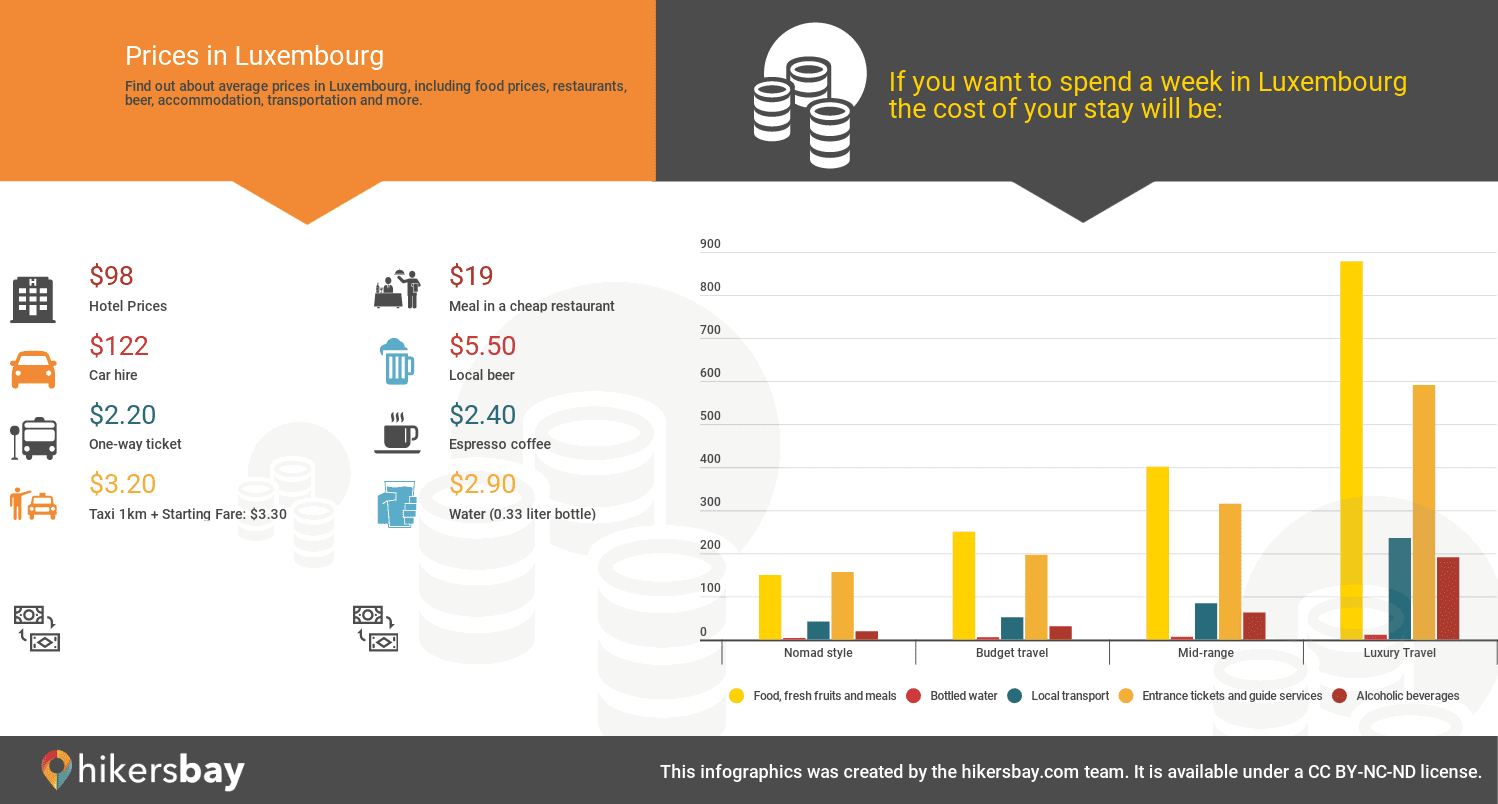
Non-alcoholic drinks like bottled water and juice are reasonably priced. A liter of water costs about 0.50 to 1 euro. Fruit juices range from 2 to 3 euros per liter. Alcoholic beverages, especially beer and wine, cost more. A bottle of beer can cost around 1.50 to 3 euros. Wine prices vary widely but start near 6 euros per bottle.
Credit: www.youtube.com
Dining Out Expenses
Dining out in Luxembourg offers a variety of options for every budget. From quick bites to elegant meals, prices can vary widely. Understanding dining out expenses helps plan your visits better. Below are typical costs you can expect in different dining settings.
Fast Food Prices
Fast food in Luxembourg is affordable and convenient. A meal at a popular chain usually costs around 8 to 12 euros. Burgers, fries, and soft drinks are common items. Street food stalls may offer cheaper snacks under 7 euros. Fast food suits those wanting a quick, low-cost option.
Casual Restaurants
Casual restaurants provide a relaxed atmosphere and moderate prices. Expect to pay between 15 and 25 euros for a main dish. Many places serve local and international cuisine. A three-course meal at a casual spot may cost around 30 euros. These restaurants work well for daily meals or social outings.
Fine Dining Costs
Fine dining in Luxembourg can be expensive but rewarding. Prices for a full meal often start at 50 euros per person. Michelin-starred restaurants may charge 80 euros or more. Fine dining focuses on quality, presentation, and service. Special occasions or food lovers often choose these venues.
Local Specialty Dishes
Trying local dishes is a must in Luxembourg. Popular specialties include Judd mat Gaardebounen and Bouneschlupp. These meals usually cost 20 to 30 euros at traditional restaurants. Local dishes offer authentic taste and cultural experience. They provide great value for those exploring Luxembourg’s cuisine.
Comparing Luxembourg To Neighboring Countries
Comparing food prices in Luxembourg with those in its neighboring countries helps understand the local cost of living. Each country has unique factors affecting food costs. These include local economy, taxes, and supply chains. Examining France, Germany, and Belgium provides a clear picture of where Luxembourg stands.
Price Differences With France
France generally has lower food prices than Luxembourg. Basic groceries like bread, cheese, and fruits cost less in France. Dining out is also more affordable. French markets offer many local products at good prices. Luxembourg shoppers often pay a premium for imported goods.
Comparison With Germany
Germany’s food prices are close to Luxembourg’s but tend to be slightly cheaper. Supermarkets in Germany offer a wider range of budget options. Meat and dairy products cost less there. German discount stores attract shoppers seeking savings. Luxembourg residents sometimes shop across the border to save money.
Belgium’s Food Costs
Belgium’s food prices fall between those of France and Luxembourg. Fresh produce and bakery items are affordable. Belgium has many local markets with competitive prices. However, specialty and imported foods cost more. Food shopping in Belgium can balance quality and price well.
Budget Tips For Food Shopping
Food shopping in Luxembourg can be expensive, but smart choices help stretch your budget. Knowing where to shop and when to buy saves money. Discounts and loyalty programs offer extra savings. Here are some budget tips for food shopping in Luxembourg.
Best Places To Buy Groceries
Supermarkets like Cactus and Auchan offer a wide range of products. Discount stores such as Lidl and Aldi have lower prices. Local markets provide fresh fruits and vegetables at reasonable rates. Shop at different places to find the best deals for each item.
Seasonal Buying Advantages
Buy fruits and vegetables in season for lower prices and better taste. Seasonal products are fresher and last longer. Avoid imported items as they cost more. Seasonal buying also supports local farmers and reduces environmental impact.
Discounts And Loyalty Programs
Many stores offer weekly discounts on popular items. Check flyers or store websites for current deals. Loyalty cards give points or discounts on future purchases. Use these cards every time to save more money over time.
Impact Of Food Prices On Daily Life
Food prices in Luxembourg affect daily life in many ways. They influence how families plan meals and manage budgets. High costs can limit food choices and impact nutrition. Understanding this impact helps people adapt and make smart decisions.
Household Food Budget
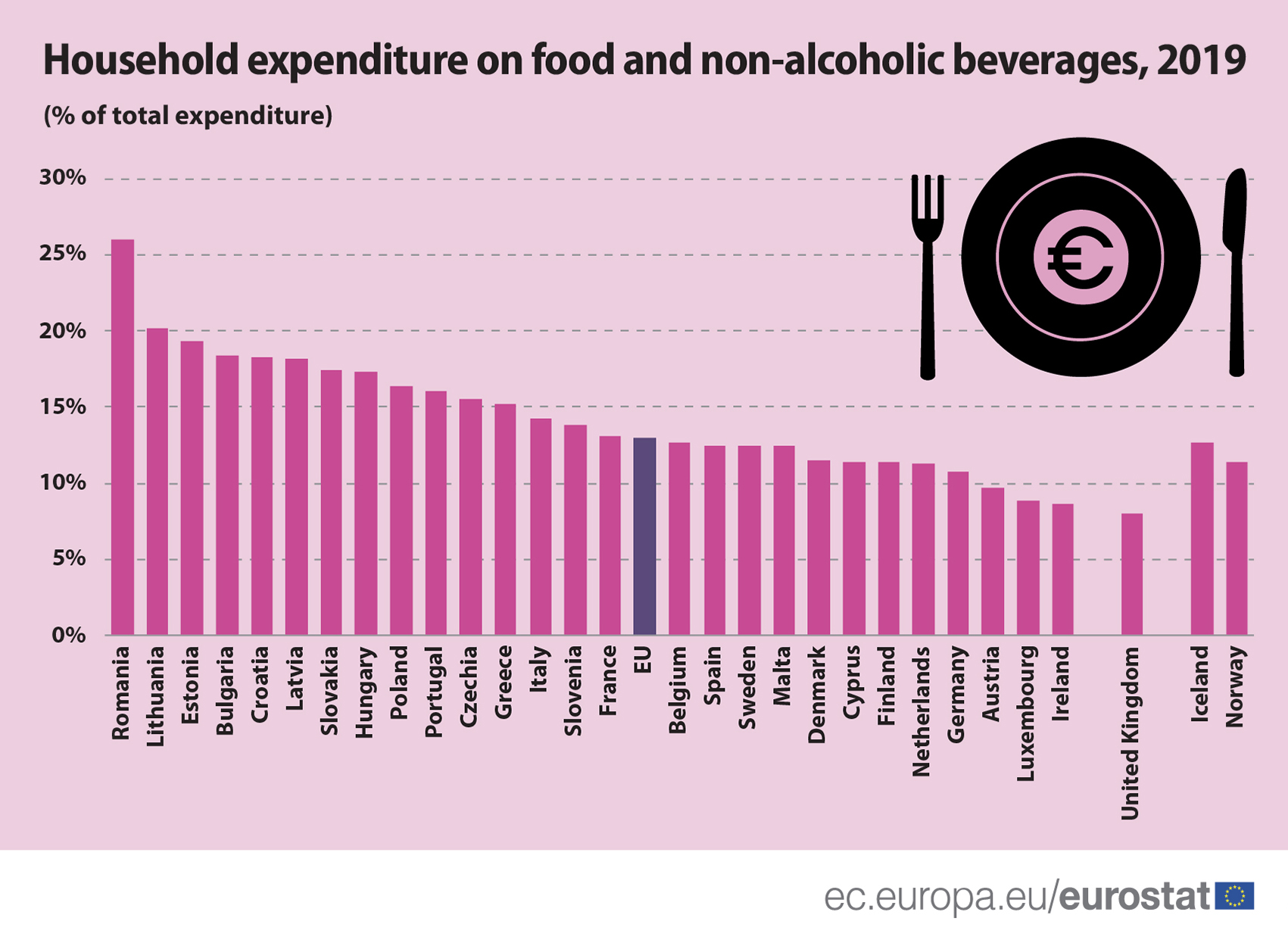
Most households spend a large part of income on food. Families in Luxembourg often allocate 15% to 20% of their budget for groceries. This amount varies depending on family size and income. Careful planning helps avoid overspending on food. Keeping track of expenses ensures money lasts through the month.
Eating Habits And Choices
Food prices shape what people buy and eat daily. Some may choose cheaper products to save money. Fresh fruits and vegetables can be expensive, affecting diet quality. Many families rely on staples like bread, rice, and pasta. Balancing cost and nutrition remains a constant challenge.
Cost-saving Strategies
People use many ways to reduce food expenses. Shopping at discount stores helps lower grocery bills. Buying in bulk or during sales saves money in the long run. Meal planning avoids waste and controls spending. Cooking at home is cheaper than eating out. These strategies make food more affordable.
Credit: hikersbay.com
Credit: ec.europa.eu
Frequently Asked Questions
How Much Does A Meal Cost In Luxembourg?
A typical meal in Luxembourg costs between €15 and €30. Prices vary by restaurant type and location, with casual dining being more affordable than fine dining.
What Is The Price Of Groceries In Luxembourg?
Groceries in Luxembourg are moderately priced, with basic items like bread costing around €1. 50. Expect to spend about €200-€300 monthly on groceries for one person.
Are Dining Out Costs High In Luxembourg?
Dining out in Luxembourg tends to be relatively expensive compared to other countries. A three-course meal at a mid-range restaurant typically costs around €25-€40 per person.
How Expensive Is Street Food In Luxembourg?
Street food in Luxembourg is more affordable, usually costing between €5 and €10. It offers a budget-friendly alternative to dining in restaurants.
Conclusion
Food prices in Luxembourg can fit many budgets. Eating out costs more than groceries. Local markets offer fresh and affordable options. Planning meals helps control spending. Enjoying Luxembourg’s food is possible without overspending. Simple choices make a big difference. Explore different shops to find the best deals.
Food here reflects rich culture and quality. Keep these tips in mind for smart food shopping. Eating well in Luxembourg is doable and fun.