Are you curious about how much you’ll spend on food in Liechtenstein? Whether you’re planning a trip, moving there, or just want to know what to expect, understanding the cost of food is key to managing your budget.
You might be surprised by the prices and how they compare to other countries. Keep reading, because knowing these details will help you make smarter choices and avoid unexpected expenses during your stay. Let’s dive into the real cost of food in Liechtenstein and what it means for you.
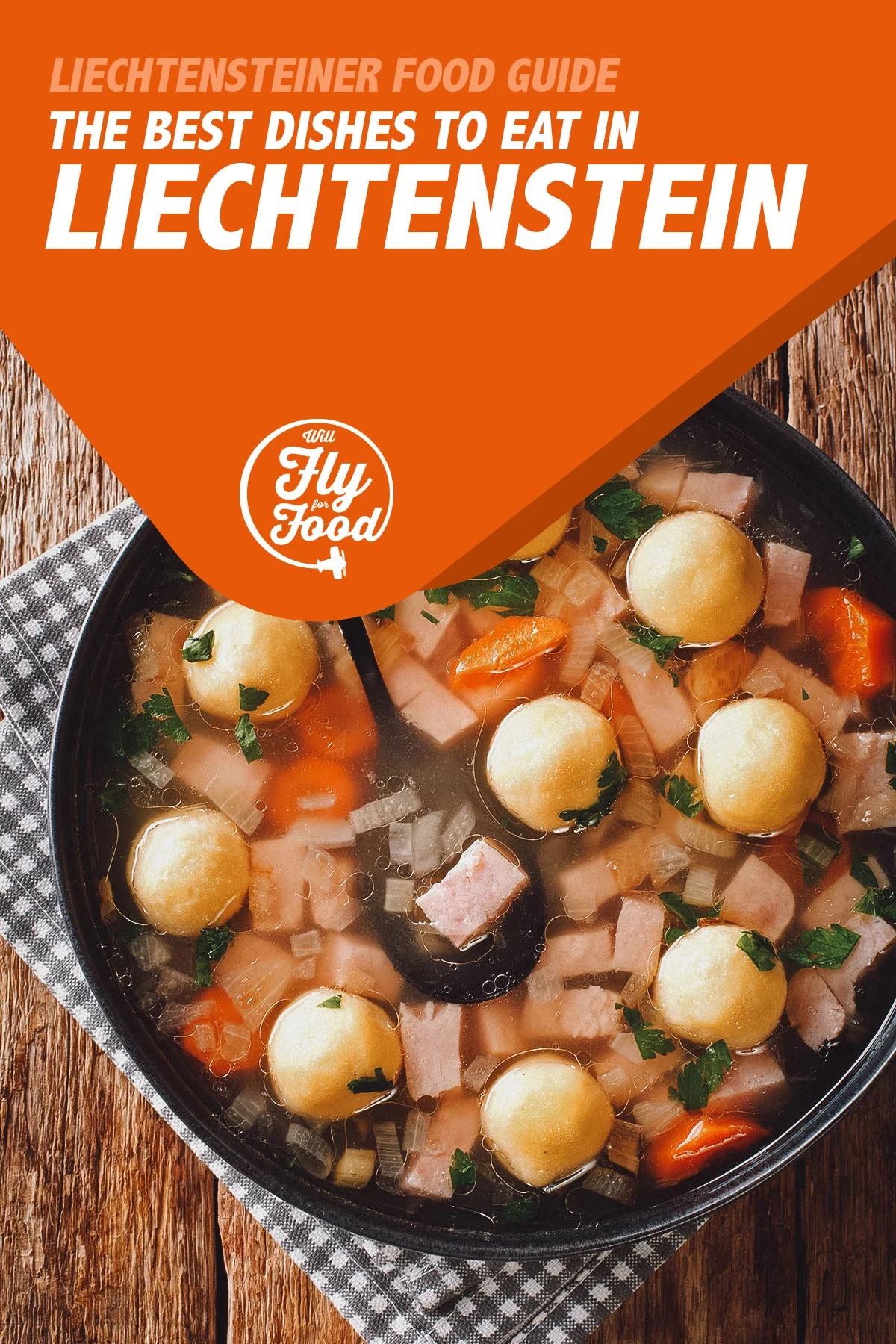
Credit: www.willflyforfood.net
Grocery Prices
Grocery prices in Liechtenstein tend to be higher than in many other European countries. This small, wealthy nation imports much of its food, which adds to costs. Shoppers can expect to pay a premium for fresh and specialty items. Understanding typical prices helps plan a food budget effectively.
Staple Foods
Bread prices range from €2 to €4 for a loaf. Rice and pasta cost about €1.50 to €3 per package. Potatoes usually sell for €1 to €2 per kilogram. These basic items form the foundation of many meals and are moderately priced.
Fresh Produce Costs
Fresh fruits like apples and bananas cost around €2 to €3 per kilogram. Vegetables such as carrots and tomatoes are about €2 to €4 per kilogram. Prices vary slightly by season and store. Local farmers’ markets may offer better deals on fresh produce.
Dairy And Meat Prices
Milk is priced near €1.20 per liter. Cheese costs range from €10 to €20 per kilogram, depending on type. Chicken meat sells for about €8 to €12 per kilogram. Beef and pork tend to be more expensive, often €15 to €25 per kilogram.
Beverages And Snacks
Bottled water costs about €0.50 to €1. Soft drinks and juices are around €1 to €2 per bottle. Snack prices vary widely; chips and cookies usually cost between €1.50 and €3. Imported snacks often carry higher prices due to import fees.

Credit: www.196flavors.com
Dining Out Expenses
Dining out in Liechtenstein offers a variety of choices for every budget. Prices vary depending on the type of restaurant and the meal you select. Understanding the cost helps plan your trip better.
Budget Restaurants
Budget restaurants in Liechtenstein serve simple and tasty meals. Expect to pay around 10 to 15 CHF for a main dish. These places often serve local and international food. They are perfect for travelers on a tight budget.
Mid-range Options
Mid-range restaurants offer a wider menu and a nicer setting. Prices for a meal range from 20 to 40 CHF per person. These restaurants serve higher quality food and drinks. They suit those who want a comfortable dining experience.
High-end Dining
High-end dining in Liechtenstein is elegant and exclusive. A three-course meal can cost 60 CHF or more. These restaurants provide fine dining with gourmet dishes and excellent service. Ideal for special occasions or celebrations.
Fast Food And Cafes
Fast food and cafes are common and affordable. A sandwich or snack usually costs about 5 to 10 CHF. Cafes serve coffee, pastries, and light meals. They are great for quick bites or casual meetups.
Alcohol And Drinks
Alcohol and drinks in Liechtenstein offer a range of choices for visitors and locals. Prices vary depending on the type of drink and where you buy it. Understanding these costs helps plan your budget better.
Beer And Wine Prices
Beer in Liechtenstein usually costs around 3 to 5 CHF for a 0.5-liter bottle or draft. Local beers tend to be cheaper than imported ones. Wine prices vary more, starting at about 10 CHF for a bottle in supermarkets. Restaurants charge more, with prices often between 15 and 30 CHF per bottle.
Spirits And Cocktails
Spirits like vodka, whiskey, and gin typically cost 25 to 40 CHF per bottle in stores. Cocktails in bars and restaurants usually range from 10 to 18 CHF each. Craft cocktails or premium brands can be even pricier. Happy hour deals might offer better prices on some drinks.
Non-alcoholic Drinks
Non-alcoholic drinks such as soda, juice, and water cost about 2 to 4 CHF for a small bottle. Coffee and tea in cafes generally range from 3 to 5 CHF. These prices make it easy to enjoy a refreshing drink without spending much.

Credit: www.theflavorvortex.com
Shopping Tips
Shopping for food in Liechtenstein can be simple and budget-friendly. Knowing where to shop and when prices drop helps save money. These tips guide you through the best buying spots, seasonal price changes, and ways to find discounts.
Best Places To Buy
Supermarkets like Migros and Coop offer a wide variety of products. Local markets provide fresh fruits and vegetables at fair prices. Small shops in villages sell specialty items and local cheese. Buying from different places helps balance quality and cost.
Seasonal Price Variations
Prices for fruits and vegetables change with the seasons. Summer brings cheaper berries and tomatoes. Winter makes root vegetables and cabbage more affordable. Buying seasonal produce means fresher food and lower prices.
Discounts And Deals
Look for weekly flyers at stores to spot discounts. Many supermarkets offer reduced prices on items near their expiry date. Shopping later in the day can lead to extra savings. Using loyalty cards also helps collect points and get deals.
Comparing Costs
Comparing food costs in Liechtenstein reveals interesting insights. Prices vary depending on location and neighboring countries. Understanding these differences helps budget better during your visit or stay.
Liechtenstein Vs Neighboring Countries
Liechtenstein’s food prices are generally higher than in Austria and Switzerland. Grocery items like bread, milk, and meat cost more here. Imported goods add to the price increase. Eating out is also pricier than in nearby towns across the border. The small size of Liechtenstein limits market competition. This factor pushes prices up compared to its neighbors.
Urban Vs Rural Price Differences
Food costs in Liechtenstein’s urban areas tend to be higher than rural spots. Supermarkets in the capital, Vaduz, charge more for fresh produce. Rural markets offer better deals on local fruits and vegetables. Smaller towns have fewer dining options, but prices are often lower. Shopping in villages can save money for basic groceries. The trade-off involves convenience and variety, which urban centers provide.
Budgeting For Food
Planning your food budget in Liechtenstein helps manage daily expenses well. Food prices here tend to be higher than in many countries. Knowing the average costs and saving tips can ease your spending. This guide breaks down what to expect and how to save money on food.
Average Monthly Food Budget
On average, a person spends around 400 to 600 CHF per month on food. This includes groceries and occasional dining out. Fresh fruits, vegetables, and dairy products cost more than in neighboring countries. Eating out at restaurants raises your food expenses quickly. Planning meals and buying in bulk can help control costs.
Tips To Save Money
Shop at local markets for fresh and affordable produce. Choose store brands instead of popular ones to lower grocery bills. Buy seasonal fruits and vegetables as they cost less and taste better. Cooking meals at home saves money compared to eating out. Use discounts and loyalty cards offered by supermarkets. Avoid processed foods, which cost more and are less healthy.
Frequently Asked Questions
How Expensive Is Eating Out In Liechtenstein?
Eating out in Liechtenstein is moderately expensive. A meal at a mid-range restaurant costs around 20-35 CHF. Fast food options are cheaper, averaging 10-15 CHF. Prices reflect the country’s high living standards and quality ingredients used in local cuisine.
What Is The Average Grocery Cost In Liechtenstein?
Grocery costs in Liechtenstein are relatively high. Basic items like bread, milk, and fruits cost more than in many European countries. Expect to pay around 50-70 CHF weekly for a balanced diet. Imported goods and local specialties contribute to the pricing.
Are There Affordable Food Options In Liechtenstein?
Yes, affordable food options exist. Supermarkets offer budget-friendly brands and fresh produce. Street food and takeaway spots provide economical meals. Shopping at local markets can also reduce costs while enjoying authentic Liechtenstein flavors.
How Does Liechtenstein Food Cost Compare To Switzerland?
Food costs in Liechtenstein are similar to Switzerland. Both countries have high living expenses and quality standards. Prices for dining and groceries are comparable, with slight variations depending on location and product availability.
Conclusion
Food prices in Liechtenstein can be higher than in many countries. Expect to pay more for fresh produce and dining out. Small stores often charge more than big supermarkets. Planning meals and shopping carefully helps save money. Trying local markets gives you fresh options at fair prices.
Understanding costs makes your visit easier and more enjoyable. Eating well in Liechtenstein is possible with some smart choices. Keep these tips in mind to manage your food budget.