Planning a trip to Iceland? One question probably on your mind is, “How much is food in Iceland?” You want to enjoy delicious meals without breaking the bank.
Knowing the cost of food here helps you plan your budget better and avoid surprises. You’ll discover what to expect when buying groceries, dining out, and even grabbing a quick snack. By the end, you’ll feel confident about managing your food expenses in Iceland and making smart choices that fit your travel style.
Keep reading to find out everything you need to know!
Credit: www.whatson.is
Food Costs In Iceland
Food costs in Iceland are higher than in many other countries. This is due to Iceland’s remote location and the need to import much of its food. Visitors and residents should expect to spend more on groceries and dining out than they might at home.
Understanding these costs helps plan your budget better. Here is a breakdown of average prices for food and drinks in Iceland.
Average Grocery Prices
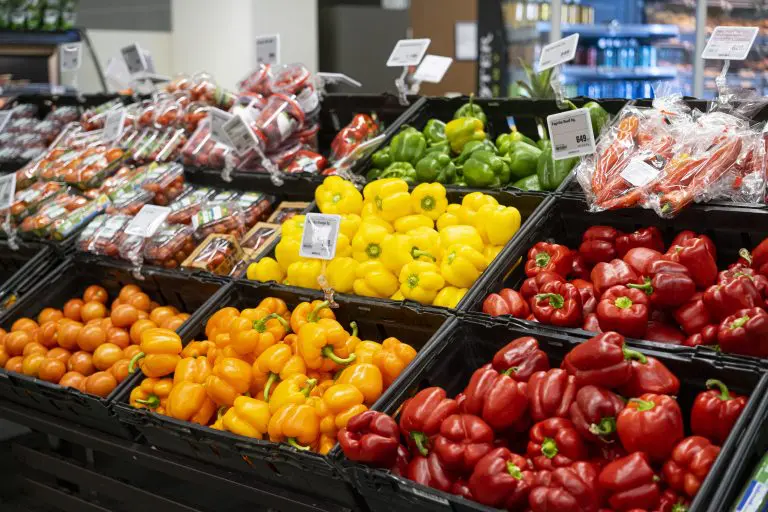
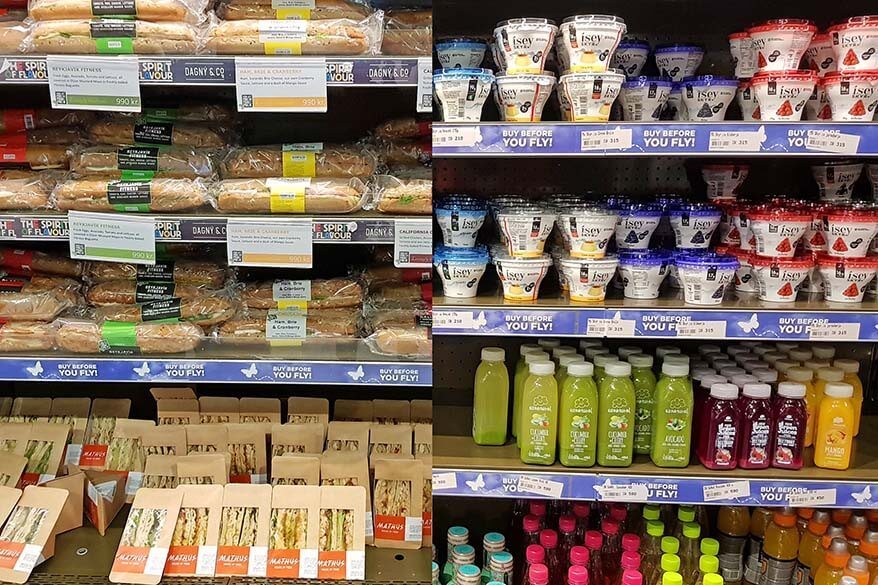
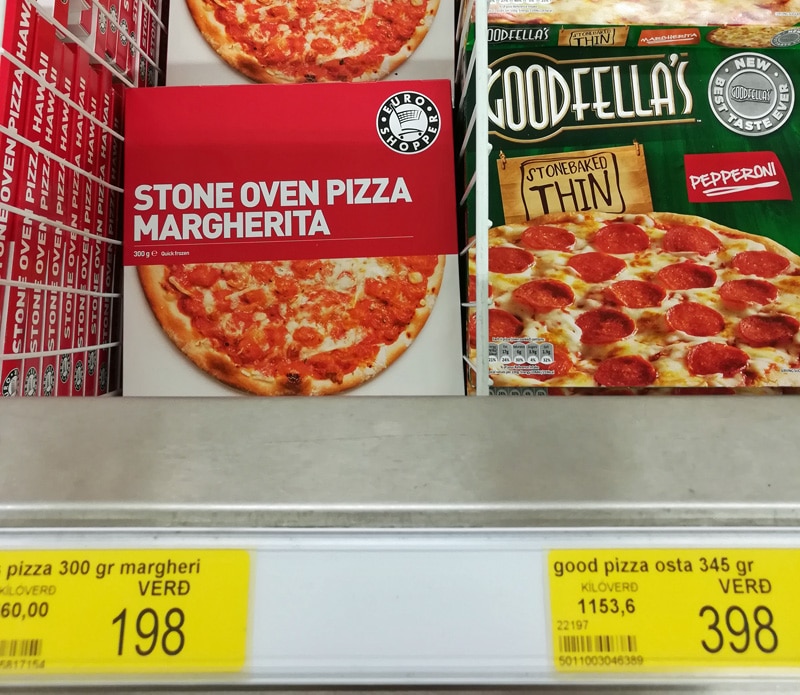
Groceries in Iceland are quite pricey. A loaf of bread costs around 300-400 ISK. One liter of milk is about 150-200 ISK. Eggs usually cost 400-600 ISK per dozen. Fresh fruits and vegetables are more expensive than in many countries. For example, a kilogram of apples can cost 500-700 ISK. Meat and fish prices also tend to be high, reflecting Iceland’s reliance on imports.
Eating Out Expenses
Dining in restaurants is costly in Iceland. A basic meal at an inexpensive restaurant often costs 2,000-3,000 ISK. Mid-range restaurants charge 4,000-7,000 ISK for a three-course meal. Fast food options like burgers or hot dogs are cheaper, usually under 1,500 ISK. Many visitors choose to eat out sparingly to save money.
Alcohol And Beverage Costs
Alcohol prices in Iceland are among the highest in the world. A beer in a bar can cost 900-1,200 ISK. Wine and spirits are even more expensive. Buying alcohol at state-run stores is the only legal option, and prices are high due to taxes. Non-alcoholic drinks like soda or coffee also cost more than average, often 300-500 ISK per cup.
Budgeting Tips
Traveling in Iceland can be expensive, especially when it comes to food. Planning your meals ahead helps save money. Knowing where and how to shop or eat can stretch your budget. Here are some simple tips to keep food costs low without missing out on Icelandic flavors.
Shopping At Discount Stores
Discount stores offer groceries at lower prices. Stores like Bonus and Kronan have good deals on basics. Buy bread, milk, fruits, and vegetables here. Avoid tourist shops with high prices. Look for store brands; they cost less but taste good.
Choosing Affordable Restaurants
Eating out in Iceland is pricey, but some places are cheaper. Try small cafes or fast-food spots for affordable meals. Look for lunch specials or set menus. Avoid fancy restaurants to save money. Local hot dog stands also offer tasty, cheap snacks.
Using Local Markets
Local markets sell fresh, local produce at fair prices. Visit markets in Reykjavik or towns around Iceland. Buy fish, berries, and herbs direct from sellers. Markets are great for fresh and unique Icelandic foods. Cooking your own meals with market buys lowers costs a lot.
Saving On Meals
Eating out in Iceland can be expensive. Saving money on meals helps extend your trip. Simple steps can lower your food costs. Here are some easy ways to save on meals.
Cooking Your Own Food
Buying groceries and cooking your own meals saves a lot. Iceland has many supermarkets with fresh produce and local goods. Stay in places with kitchen access like hostels or guesthouses. Preparing your own food means you control your budget and diet. Pack simple ingredients for quick, healthy meals.
Taking Advantage Of Meal Deals
Many restaurants offer meal deals or lunch specials. These deals are cheaper than regular menu prices. Look for combo offers or set menus. Some cafes have discounts during certain hours. Ask locals or check social media for current meal deals.
Avoiding Tourist Traps
Restaurants near major tourist spots often charge more. Try dining where locals eat for better prices and authentic food. Small family-run places usually offer good value. Explore neighborhoods away from main attractions. Eating like a local saves money and offers a true Icelandic experience.
Credit: fullsuitcase.com
Special Dietary Costs
Special diets affect food costs in Iceland. Many travelers choose vegetarian, vegan, gluten-free, or organic foods. These options often cost more than regular items. Understanding these prices helps plan your food budget better.
Vegetarian And Vegan Options
Vegetarian and vegan foods are common in Icelandic stores. Fresh vegetables and fruits have moderate prices. Packaged vegan products, like meat substitutes, can be expensive. Eating out with these diets costs more than regular meals.
Gluten-free Choices
Gluten-free foods are available but limited. Bread, pasta, and snacks without gluten cost about 20-40% more. Many restaurants offer gluten-free dishes. Still, these meals often have a higher price tag.
Organic Food Pricing
Organic food in Iceland costs significantly more. Fruits, vegetables, and dairy labeled organic carry a premium price. Organic products may be imported, raising their cost. Budget travelers often choose non-organic to save money.
Seasonal Price Variations
Food prices in Iceland change with the seasons. Different factors cause costs to rise or fall. Understanding these changes helps plan your budget better. Expect noticeable shifts between summer and winter. Special holidays also affect prices. Local produce plays a big role too.
Summer Vs Winter Costs
Summer food prices in Iceland are usually lower. Fresh fruits and vegetables grow more easily. More local foods mean less import cost. Many restaurants offer seasonal specials during summer. Winter food tends to cost more. Frozen roads and harsh weather increase transport expenses. Imported goods become more important in winter months.
Holiday Season Impact
Prices rise during Iceland’s holiday seasons. Christmas and New Year cause high demand. Shoppers buy more special foods and treats. Restaurants raise prices for festive meals. Some stores increase costs due to extra labor. Planning ahead can help avoid paying more.
Local Produce Availability
Iceland’s short growing season limits fresh produce availability. Summer offers a wide range of local fruits and vegetables. Winter sees fewer fresh options, relying on imports. Locally grown herbs and greens stay available year-round. Choosing local produce often saves money and supports farmers.
Credit: quirkytravelguy.com
Comparing Iceland To Other Countries
Comparing food prices in Iceland to other countries helps to understand its cost better. Iceland is often seen as expensive, but how does it really stand? Let’s compare it with some key regions.
Nordic Neighbors
Food prices in Iceland are similar to Norway and Denmark. Grocery stores in these countries also charge high prices. Meat, dairy, and fresh produce cost more than in many other places. Eating out is pricey too. Iceland’s remote location adds to higher food costs.
Western Europe
Iceland’s food prices are higher than in countries like Spain or Italy. Southern Europe offers cheaper fruits and vegetables. Restaurants there tend to be more affordable. Northern Western Europe, like Germany and France, have prices closer to Iceland but usually lower. Shipping and import taxes raise costs in Iceland.
North America
Food in Iceland is often more expensive than in the United States and Canada. Supermarkets in North America offer lower prices on many staples. Eating out is also cheaper in many cities. The variety and volume of food available help keep prices down. Iceland’s small market and import needs increase prices.
Frequently Asked Questions
How Much Does A Meal Cost In Iceland?
A typical meal in Iceland costs between $15 to $40. Restaurants in Reykjavik and tourist areas tend to be pricier. Budget travelers can find cheaper options like street food or grocery stores.
Is Grocery Shopping Expensive In Iceland?
Yes, groceries in Iceland are relatively expensive. Imported goods and limited local produce increase prices. Expect to pay more than in many other European countries.
Can I Save Money On Food In Iceland?
Yes, you can save money by shopping at supermarkets and cooking your own meals. Eating at food trucks and casual eateries also lowers food expenses.
How Expensive Is Eating Out In Reykjavik?
Eating out in Reykjavik is costly, with main courses around $20-$50. Fine dining and seafood restaurants are more expensive. Casual dining offers better value.
Conclusion
Food prices in Iceland can be high but vary by choice. Eating out costs more than cooking at home. Simple meals and local markets help save money. Planning ahead makes enjoying Iceland’s food easier. Taste fresh, unique dishes without overspending.
Travel smart and enjoy every bite on your trip.