Are you planning a trip to Greece and wondering how much you’ll need to spend on food? Knowing the cost of meals can help you budget better and enjoy your trip without surprises.
Whether you want to dine at local tavernas, grab quick snacks, or indulge in fresh seafood by the sea, understanding food prices in Greece is key. Keep reading to discover what you can expect to pay, so you can enjoy every bite without worrying about your wallet.
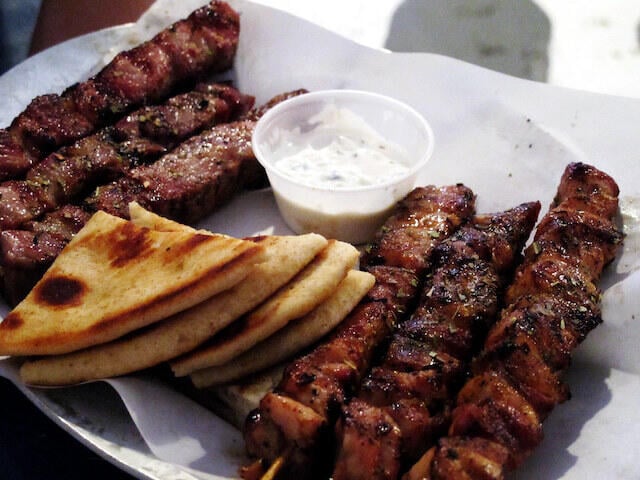
Credit: www.eatingeurope.com
Grocery Prices In Greece
Grocery prices in Greece vary by region but remain affordable overall. Many locals shop at markets and small stores for fresh and local products. Prices depend on season and place, yet staples stay budget-friendly. Understanding these costs helps plan meals and manage expenses better.
Staple Foods Costs
Basic items like bread, rice, and pasta cost around 1 to 2 euros per kilo. Olive oil, a Greek staple, is about 4 to 6 euros per liter. Potatoes and onions usually cost less than 1 euro per kilo. These items form the base of many Greek meals and are very accessible.
Fruits And Vegetables Prices
Fresh fruits like apples and oranges cost 1 to 2 euros per kilo. Seasonal fruits such as cherries or figs may be pricier, around 3 euros per kilo. Vegetables like tomatoes, cucumbers, and peppers range from 1 to 2 euros per kilo. Local markets offer good deals, especially in summer.
Dairy And Meat Expenses
Milk costs about 1 euro per liter. Greek yogurt, famous worldwide, is around 2 to 3 euros per kilo. Cheese prices vary; feta cheese is roughly 6 euros per kilo. Meat is more expensive; chicken costs 5 to 7 euros per kilo. Beef and lamb can reach 10 euros or more per kilo.
Beverages And Snacks
Bottled water is cheap, usually under 0.50 euros for 1.5 liters. Local wines start at 3 euros per bottle. Beer prices range from 1.50 to 3 euros per bottle. Snacks like breadsticks or olives cost about 1 to 2 euros per package. These items suit quick meals and light refreshments.
:max_bytes(150000):strip_icc()/Simply-Recipes-Easy-Greek-Salad-LEAD-2-4601eff771fd4de38f9722e8cafc897a.jpg)
Credit: www.simplyrecipes.com
Dining Out Costs
Dining out in Greece offers a range of prices for every budget. From casual meals to elegant dinners, the cost varies widely. Knowing what to expect helps plan your meals better and enjoy local flavors without surprises.
Average Meal Prices
A regular meal at a mid-range restaurant usually costs between €10 and €20. This price often includes a main dish and a drink. Traditional Greek dishes like moussaka or souvlaki fall within this range. Small towns may offer slightly lower prices than big cities.
Street Food And Fast Food
Street food is popular and affordable. Souvlaki or gyros wraps cost around €2 to €4. Fast food chains like McDonald’s and local bakeries offer meals under €7. These options are perfect for quick, tasty, and cheap meals while exploring.
Fine Dining Options
Fine dining in Greece can cost €30 or more per person. Many restaurants provide fresh seafood and gourmet Greek cuisine. Prices depend on the location and the restaurant’s reputation. Special occasions or romantic dinners often happen here.
Tips And Taxes
Most restaurant prices include a 24% VAT (Value Added Tax). Tipping is not mandatory but appreciated. Leaving 5-10% of the bill as a tip is common. Some places add a service charge, so check your bill before tipping extra.
Saving Money On Food
Saving money on food in Greece is easy with smart choices. Eating well and spending less can go hand in hand. Simple habits help keep your budget low and your meals tasty.
Focus on fresh food and local options. This approach cuts costs and supports local farmers. Small changes in where and how you buy food make a big difference.
Shopping At Local Markets
Local markets offer fresh fruits, vegetables, and cheese at lower prices. Vendors sell directly from farms, so prices are fair. Markets also provide a chance to find unique Greek products.
Visit markets early for the best selection and deals. Buying in small amounts avoids waste and saves money. Use cash to negotiate prices in some markets.
Buying Seasonal Produce
Seasonal fruits and vegetables cost less and taste better. Greece has many seasonal options like olives, tomatoes, and figs. Eating what is in season helps you enjoy fresh and affordable food.
Plan meals around seasonal produce. This strategy reduces expenses while keeping meals healthy and varied. Seasonal foods also mean less packaging and transport costs.
Discounts And Loyalty Programs
Supermarkets in Greece often have discounts on popular items. Look for sales on staples like bread, yogurt, and pasta. Signing up for store loyalty programs can offer extra savings.
Use discount cards or apps to track deals. Many stores send coupons or special offers to members. These small savings add up over time and lower your food bill.
Cooking At Home
Preparing meals at home saves money compared to eating out. Greek recipes use simple ingredients that are easy to find. Cooking lets you control portions and reduce food waste.
Batch cooking and freezing meals help save time and money. Try traditional dishes like moussaka or Greek salad for affordable, tasty options. Home cooking gives you a chance to enjoy Greek food on a budget.
Regional Price Differences
Food prices in Greece vary depending on the region you visit. Each area has its own cost patterns. This affects how much you pay for meals, groceries, and snacks. Understanding these differences helps plan your budget better.
Athens Vs. Islands
Athens usually offers lower food prices than the islands. The city has many markets and restaurants competing for customers. Street food and local tavernas offer affordable options. On the islands, food costs rise due to transportation and tourist demand. Fresh ingredients may cost more, especially in peak season. Eating on less popular islands often costs less than on famous ones like Santorini or Mykonos.
Northern Greece Costs
Northern Greece tends to be cheaper than the south. Cities like Thessaloniki have many local eateries with good prices. Fresh produce and meats are often less expensive. Rural areas offer traditional dishes at low costs. The cost of living is generally lower here, which reflects on food prices.
Tourist Areas Vs. Local Neighborhoods
Tourist areas charge more for food than local neighborhoods. Restaurants near popular attractions often increase prices. Local spots away from tourist paths serve authentic meals at fair prices. Visiting local markets and bakeries can save money. Choosing neighborhoods where locals eat gives better value for your money.
Food Budget Tips For Travelers
Traveling in Greece is a joy, but food costs can add up quickly. Saving money on meals helps you enjoy more experiences. Simple strategies keep your food budget low without missing tasty dishes. These tips help plan and spend smart on food during your trip.
Planning Meals Ahead
Decide your meals before going out. Check menus online or ask locals for advice. Planning stops last-minute choices that are often expensive. Pack snacks for long days to avoid pricey stops. This keeps your food spending under control.
Choosing Affordable Restaurants
Look for places where locals eat. These spots offer good food at low prices. Avoid tourist-heavy areas; prices there are higher. Try small tavernas and street food vendors. Their meals are tasty and cheap. Eat where the menu is simple and fresh.
Utilizing Public Markets
Visit public markets for fresh fruits, vegetables, and snacks. Markets sell local products at fair prices. Buy ingredients to make your own meals if you can. This saves money and offers a true taste of Greece. Markets also provide a fun and cultural experience.

Credit: crushmag-online.com
Frequently Asked Questions
How Much Does Dining Out Cost In Greece?
Dining out in Greece typically costs between €10 to €20 per person for a meal. Street food and casual eateries are cheaper, around €5 to €10. Fine dining can exceed €30. Prices vary by location and type of restaurant.
What Is The Price Of Groceries In Greece?
Groceries in Greece are moderately priced, with staples like bread costing about €1. 20, milk €1, and eggs around €2 per dozen. Fresh fruits and vegetables are affordable, especially at local markets. Imported items tend to be more expensive.
Are Drinks Expensive In Greece?
Alcoholic drinks like beer and wine usually cost €3 to €5 in bars. Coffee prices range from €1. 50 to €3 depending on the type. Soft drinks and water are generally inexpensive, around €1 to €2.
Can I Save Money On Food In Greece?
Yes, shopping at local markets and cooking your meals helps save money. Choose street food vendors or small tavernas over tourist spots. Seasonal produce is cheaper and fresher, helping you stick to a budget.
Conclusion
Food prices in Greece suit many budgets and tastes. Street food and local markets offer great deals. Dining in traditional tavernas can be affordable and tasty. Fresh ingredients make meals enjoyable and healthy. Planning meals helps control costs while exploring flavors.
Greece offers a rich food experience without overspending. Try different dishes and enjoy the local culture. Eating well here does not mean spending a lot. Simple choices lead to delicious and budget-friendly meals. Your trip to Greece will be full of good food memories.