Wondering how much you’ll spend on food in Austria? Whether you’re planning a quick trip or a longer stay, knowing the cost of meals and groceries can help you budget smarter.
You want to enjoy delicious Austrian dishes without surprises at checkout. You’ll discover the real prices for eating out, grocery shopping, and even grabbing a coffee. Ready to get the inside scoop on food costs in Austria? Keep reading to make your money go further while savoring every bite.
Grocery Store Prices
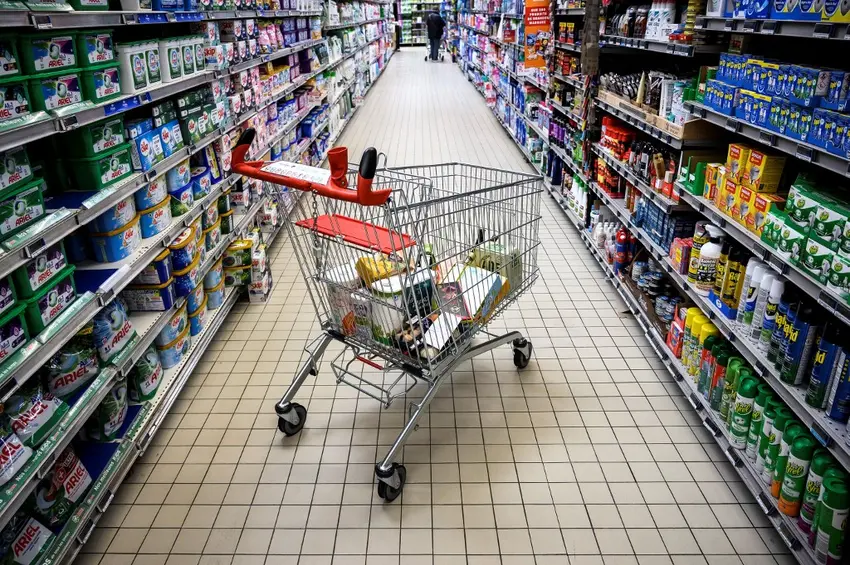
Grocery store prices in Austria vary depending on the type of food. Many locals shop at supermarkets like Billa, Hofer, and Spar. These stores offer a range of products from budget to premium. Prices are generally reasonable, making daily shopping affordable.
Knowing the costs of common grocery items helps plan a budget better. This section breaks down typical prices for different food groups found in Austrian stores.
Staple Foods Costs
Basic staples like bread, rice, and pasta are affordable in Austria. A loaf of bread costs around 2 to 3 euros. One kilogram of rice or pasta usually ranges from 1.50 to 3 euros. Potatoes, a popular staple, sell for about 1 to 2 euros per kilogram.
Dairy And Eggs
Dairy products hold a special place in Austrian cuisine. Milk prices hover near 1 euro per liter. Cheese varies widely but simple varieties start at 8 euros per kilogram. Eggs cost roughly 2 to 3 euros for a dozen, depending on size and type.
Meat And Seafood
Meat prices depend on the cut and quality. Chicken breast costs about 7 to 10 euros per kilogram. Beef is pricier, around 12 to 20 euros per kilogram. Seafood is less common inland but fresh fish may cost 10 to 15 euros per kilogram.
Fruits And Vegetables
Fresh fruits and vegetables are seasonal and locally grown. Apples cost about 2 to 3 euros per kilogram. Tomatoes and cucumbers range from 1.50 to 3 euros per kilogram. Leafy greens and root vegetables often fall between 1 and 2 euros per kilogram.
Beverages
Beverages include water, juice, and soft drinks. Bottled water costs about 0.50 to 1 euro for 1.5 liters. Fruit juices are around 1.50 to 2.50 euros per liter. Soft drinks often sell for 1 to 2 euros per bottle.
Credit: www.thelocal.at
Dining Out Expenses
Dining out in Austria offers many choices for every budget. The cost depends on the type of restaurant and the meal you order. From casual spots to fine dining, prices vary widely. Knowing these costs helps you plan your meals better while traveling or living in Austria.
Eating out can be a treat or a quick stop. Each option has its own price range and experience. Here is a clear look at dining out expenses in Austria.
Casual Restaurants
Casual restaurants serve simple meals with quick service. Expect to pay around €8 to €15 for a main dish. These places often offer local dishes and daily specials. They are great for lunch or dinner without spending much.
Mid-range Dining
Mid-range restaurants offer a wider menu and better atmosphere. Prices usually range from €15 to €30 per person. You can enjoy multi-course meals or traditional Austrian cuisine here. These spots are perfect for a relaxed evening out.
Fine Dining
Fine dining restaurants provide high-quality food and elegant settings. Meals cost between €40 and €80 or more per person. These places often feature gourmet dishes and extensive wine lists. Ideal for special occasions or celebrations.
Fast Food Options
Fast food is popular for a quick and cheap meal. Prices usually fall between €4 and €8. Common options include burgers, sandwiches, and sausages. Great for a fast bite on the go or casual snacks.
Coffee And Snacks
Cafés serve coffee, pastries, and small snacks. A cup of coffee costs around €2 to €4. Pastries or light snacks range from €2 to €6. Perfect for a break or light refreshment during the day.
Regional Price Differences
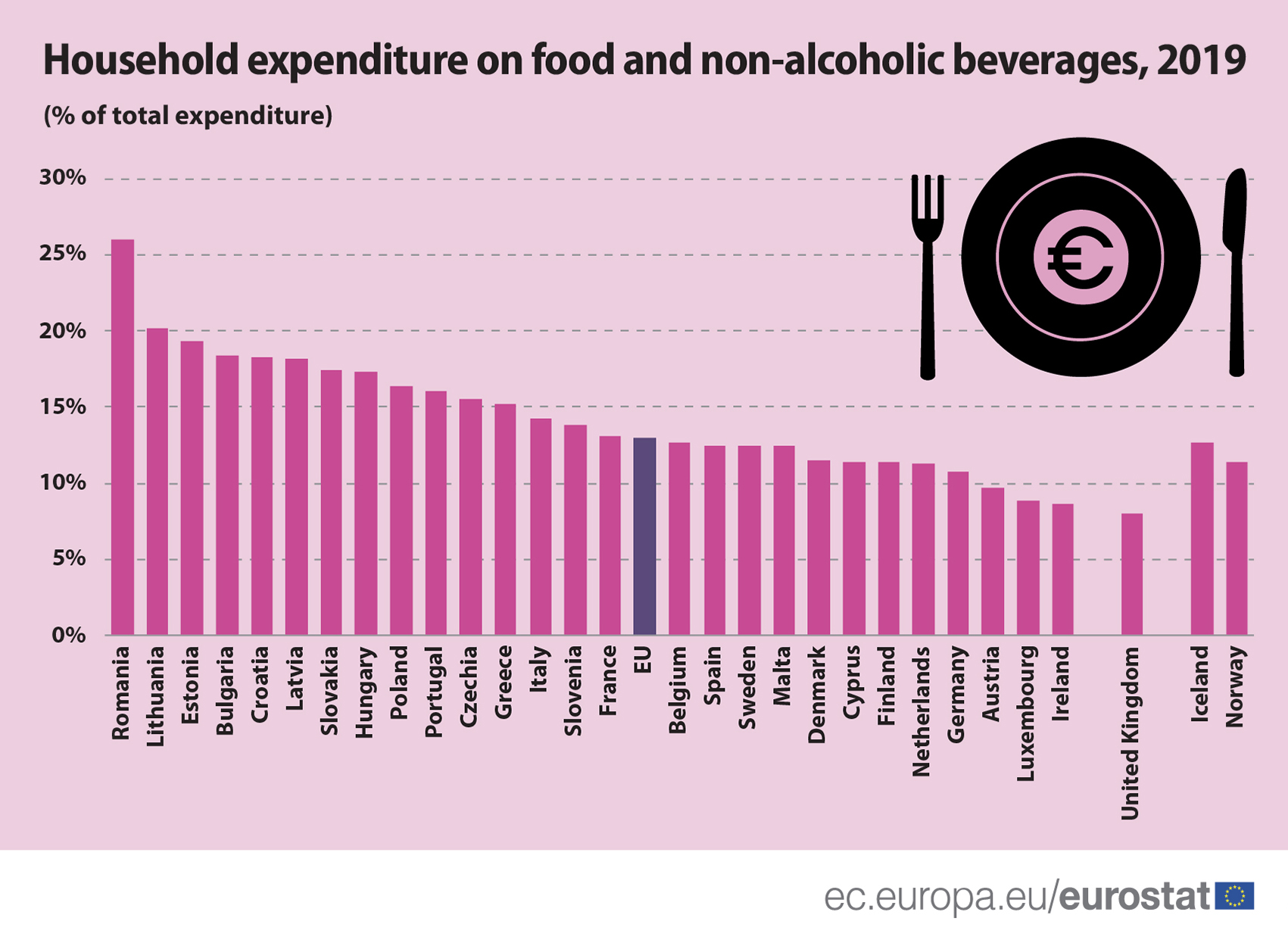
Food prices in Austria vary by region. These differences affect daily shopping and dining costs. Understanding regional price trends helps plan your budget better. Some areas have higher prices, while others stay affordable.
Vienna And Urban Areas
Vienna, Austria’s capital, shows higher food prices than smaller towns. Urban areas have many supermarkets and restaurants. Convenience and demand push prices up. Fresh produce, meat, and dairy cost more here than in rural areas.
Rural Regions
Rural areas offer lower food prices. Local markets often sell fresh, seasonal items at good rates. Fewer shops mean less variety but cheaper basics. Residents enjoy affordable bread, vegetables, and dairy products. Transport costs are low, affecting prices positively.
Tourist Hotspots
Tourist spots usually have the highest food prices. Cafes and restaurants charge more to visitors. Popular destinations like Salzburg and Innsbruck see price increases. Eating out is expensive, but local grocery stores remain reasonable. Planning meals can save money in these areas.
Credit: ec.europa.eu
Seasonal Price Trends
Food prices in Austria change with the seasons. Seasonal price trends affect what you pay for groceries and dining out. Understanding these trends helps plan your food budget better. Prices vary due to supply, demand, and weather conditions.
Fresh produce costs rise and fall depending on the time of year. Many foods are cheaper when they are in season locally. Imported items usually stay the same price but can be more expensive during peak holiday times.
Summer Vs Winter Costs
Summer offers a wide range of fresh fruits and vegetables. Prices for berries, tomatoes, and cucumbers drop in summer. In winter, these items cost more since they are imported or grown in greenhouses. Root vegetables and cabbage are cheaper in winter.
Meat and dairy prices stay fairly steady but can increase slightly in winter. Heating and transportation costs add to food prices during cold months.
Holiday Periods
Holiday times cause prices to rise in supermarkets and markets. Christmas and Easter are the most expensive periods. Special treats and festive foods cost more. Restaurants may increase prices due to higher demand. Stock up before holidays to save money.
Local Market Variations
Food prices vary between cities and rural areas. Urban markets often have higher prices due to rent and transport costs. Farmers’ markets in smaller towns may offer fresher and cheaper products. Local specialties can be less expensive in their region of origin.
Shopping around helps find better deals. Small shops sometimes have lower prices than big chains.
Budget Tips For Food Shopping
Saving money on food in Austria is easy with some smart shopping habits. These budget tips help you spend less while buying good quality food. Simple changes in where and how you shop can cut your costs significantly. Use these practical ideas to stretch your food budget further.
Discount Stores
Discount stores offer lower prices on everyday groceries. Chains like Hofer and Lidl have many affordable products. They sell both local and imported foods at reduced prices. Shopping here can save you a good amount on your weekly groceries. Check their weekly flyers for special deals and discounts.
Buying In Bulk
Buying large quantities often costs less per unit. Look for bulk options in stores or warehouse clubs. Staples like rice, pasta, and canned goods are cheaper in bulk. Store them properly to keep food fresh longer. Bulk buying reduces trips to the store and saves money in the long run.
Shopping Local Markets
Local markets sell fresh fruits, vegetables, and dairy products. Prices are often lower than supermarkets, especially near closing time. Sellers may offer discounts to clear their stock. Markets also have seasonal and regional products at good prices. Visit markets regularly to find fresh and cheap food.
Seasonal Purchases
Buying fruits and vegetables in season lowers your food bill. Seasonal produce is abundant and cheaper than out-of-season items. Taste and nutrition are also better in season. Plan your meals around what is growing locally at the time. This approach helps you enjoy fresh food without overspending.
Comparing Austria With Neighboring Countries
Food prices in Austria often attract attention from travelers and locals alike. Comparing these costs with neighboring countries gives a clearer picture of affordability. Each country has its own food culture and economy. This affects how much you spend on groceries and eating out.
Here is a quick comparison of Austria’s food prices with Germany, Switzerland, and the Czech Republic.
Germany
Germany’s food prices are quite similar to Austria’s. Basic groceries like bread, milk, and vegetables cost nearly the same. Eating out in Germany can be a bit cheaper, especially in smaller cities. Both countries offer many local markets with fresh and affordable produce. Overall, Germany is a good benchmark for Austria’s food costs.
Switzerland
Switzerland has the highest food prices among these countries. Groceries often cost 30-50% more than in Austria. Dining in Swiss restaurants is also more expensive. Swiss wages and living costs are higher, causing food prices to rise. Travelers should expect to spend much more on meals and groceries in Switzerland.
Czech Republic
The Czech Republic is more affordable than Austria. Groceries and restaurant meals usually cost less. Local markets offer fresh produce at low prices. Food expenses here can be 20-40% cheaper than in Austria. This makes the Czech Republic a budget-friendly option for food shopping and dining.
Credit: www.globalprice.info
Frequently Asked Questions
How Much Does Eating Out Cost In Austria?
Eating out in Austria typically costs between €10 and €20 for a meal. Budget restaurants offer meals around €8 to €12. Mid-range dining can range from €15 to €25 per person. Prices vary by city and restaurant type.
What Are The Average Grocery Prices In Austria?
Grocery prices in Austria are moderate, with basic items like bread costing around €1. 50. Milk usually costs €0. 90 per liter. Fresh produce varies but averages €2 to €4 per kilogram. Overall, groceries are affordable for daily needs.
Is Buying Local Food In Austria Cheaper?
Yes, buying local food in Austria is generally cheaper and fresher. Farmers’ markets offer seasonal produce at lower prices. Local products reduce transportation costs, making them more affordable. Supporting local businesses also benefits the community.
How Expensive Is Fast Food In Austria?
Fast food in Austria usually costs between €5 and €8 per meal. Popular chains like McDonald’s and local snack bars offer budget-friendly options. Prices are comparable to other European countries and suitable for quick meals.
Conclusion
Food prices in Austria vary but stay mostly reasonable. You can enjoy fresh bread, cheese, and local fruits without spending much. Eating out costs more, especially in big cities. Small cafes and markets offer good deals. Planning meals and shopping smart helps save money.
Taste Austria’s food without worrying about high costs. Simple choices make your trip both tasty and affordable.