Common Japanese phrases for tourists help ease communication and enhance travel experiences. Learn essential phrases for greetings, directions, and dining.
Traveling to Japan can be an enriching and enjoyable experience, especially when you understand some basic Japanese phrases. These phrases are crucial for navigating daily interactions, such as asking for directions, ordering food, or greeting locals. Knowing common expressions enhances your travel experience and helps you connect with the culture on a deeper level.
This guide covers essential Japanese phrases every tourist should know, making your journey smoother and more enjoyable. By mastering these basics, you’ll find it easier to communicate, show respect, and immerse yourself in Japanese culture.
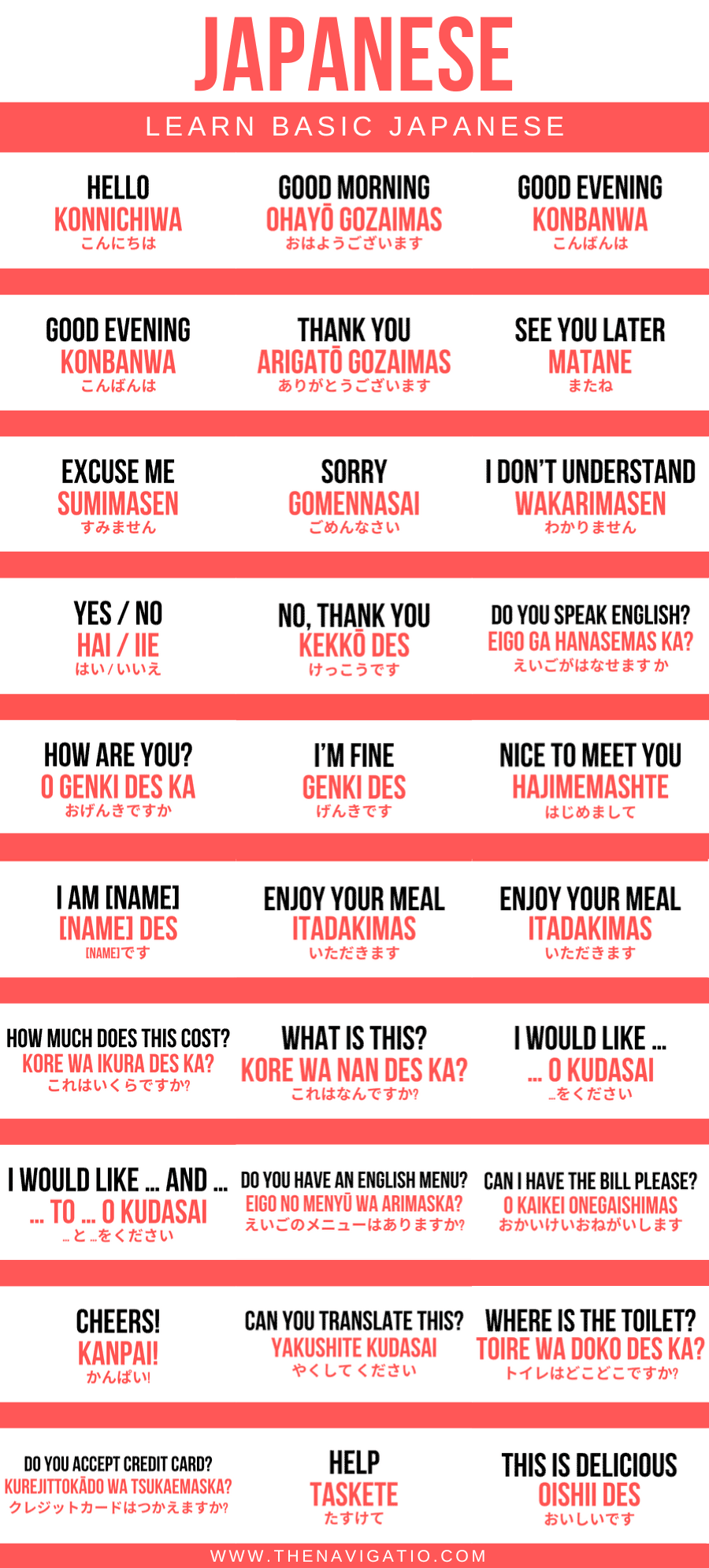
Credit: thenavigatio.com
Greetings And Introductions
When visiting Japan, knowing some basic Japanese phrases can be very helpful. Greetings and introductions are the first steps to making a good impression. Here are some simple phrases to get you started.
Hello And Goodbye
In Japanese, saying hello and goodbye is essential. Here are the most common phrases:
| English | Japanese | Pronunciation |
|---|---|---|
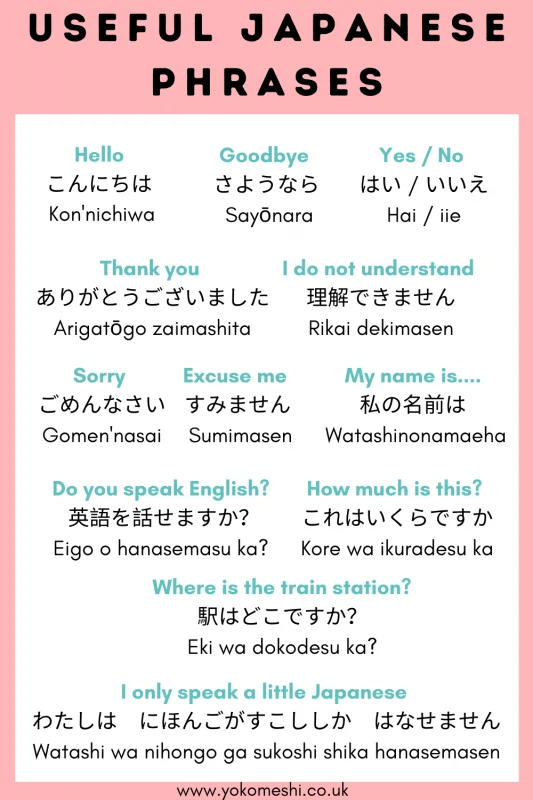
| Hello | こんにちは | Konnichiwa |
| Goodbye | さようなら | Sayōnara |
| Good Morning | おはようございます | Ohayō gozaimasu |
| Good Evening | こんばんは | Konbanwa |
Introducing Yourself
Introducing yourself is important in Japanese culture. Use these phrases:
- My name is: 私の名前は [Your Name] です (Watashi no namae wa [Your Name] desu)
- Nice to meet you: はじめまして (Hajimemashite)
- Please: お願いします (Onegaishimasu)
- Thank you: ありがとうございます (Arigatou gozaimasu)
Learning these greetings and introductions can make your trip to Japan more enjoyable. Practice these phrases to communicate better with locals.
Basic Questions
Traveling in Japan is exciting! Knowing some basic questions can help. These phrases will make your trip smoother and more enjoyable.
Asking For Directions
Getting lost in Japan can be confusing. Asking for directions is easy with these phrases:
- Doko desu ka? (Where is it?)
- Koko wa doko desu ka? (Where am I?)
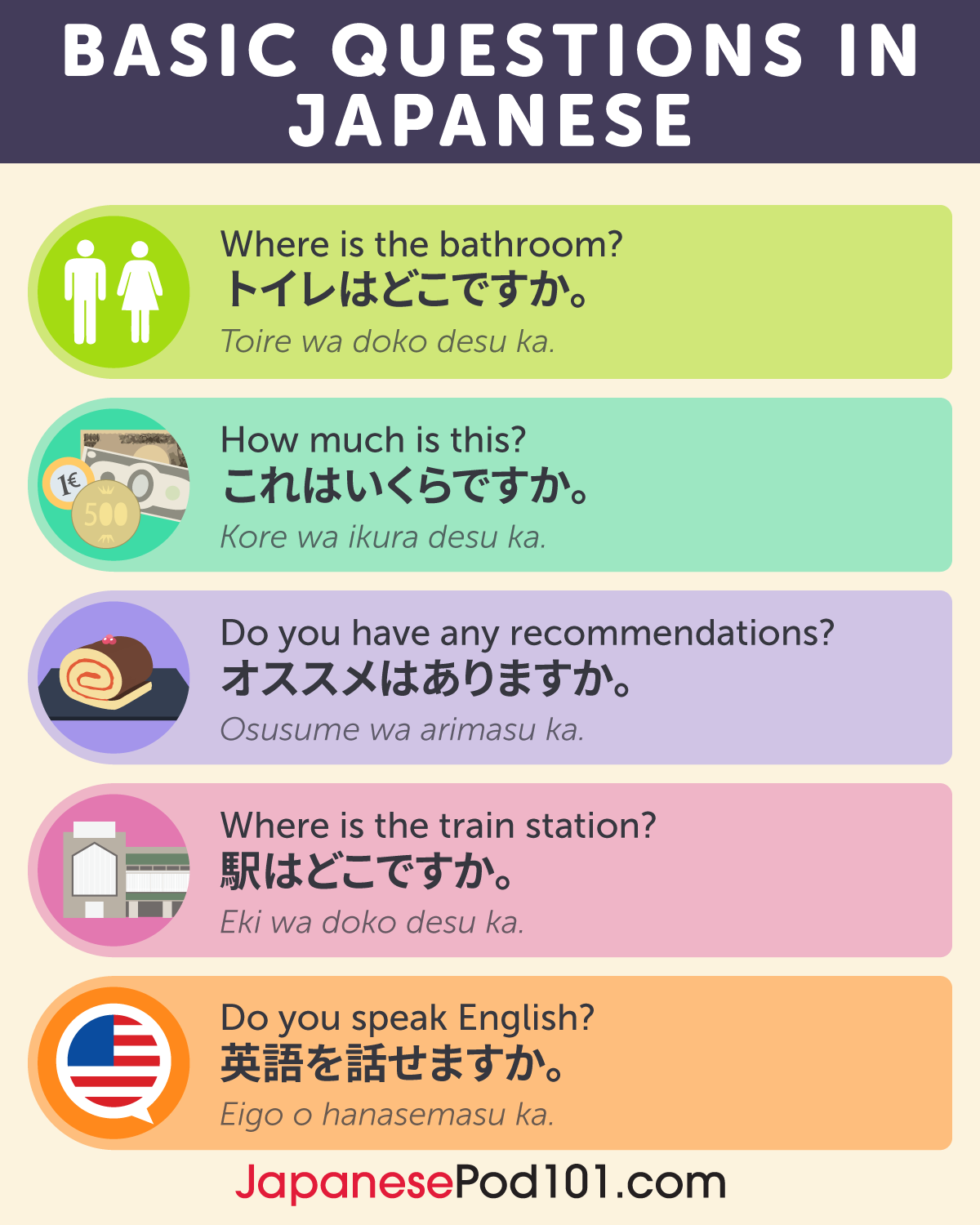
- Toire wa doko desu ka? (Where is the bathroom?)
Polite phrases show respect. Use them often!
Inquiring About Prices
Shopping in Japan can be fun. Knowing how to ask for prices helps:
- Ikura desu ka? (How much is it?)
- Kore wa ikura desu ka? (How much is this?)
- Are wa ikura desu ka? (How much is that?)
These phrases make shopping easier. You can use them in markets and shops.
Dining Out
Dining out in Japan offers a delightful experience. Knowing some common phrases can make it even more enjoyable. Below are some useful phrases and tips to enhance your dining experience.
Ordering Food
When ordering food, it’s helpful to know how to ask for what you want. Here are some phrases to use:
- “Kore o kudasai” (これをください) – Please give me this.
- “Menu o onegaishimasu” (メニューをお願いします) – May I have the menu, please?
- “Osusume wa nan desu ka?” (おすすめは何ですか?) – What do you recommend?
These phrases will help you communicate effectively with the waitstaff. Pointing to items on the menu can also be very helpful.
Dietary Restrictions
If you have dietary restrictions, it’s important to communicate them clearly. Here are some key phrases:
- “Watashi wa bejitarian desu” (私はベジタリアンです) – I am a vegetarian.
- “Niku wa taberaremasen” (肉は食べられません) – I cannot eat meat.
- “Raku to kin wa dame desu” (卵と牛乳はダメです) – I cannot have eggs and milk.
These phrases can help you ensure your dietary needs are met. Don’t hesitate to repeat or write them down if needed.
Credit: www.japanesepod101.com
Shopping Essentials
Shopping in Japan can be a delightful experience. Knowing some essential Japanese phrases will help you navigate stores with ease. This section covers common phrases and payment methods used in Japan.
Common Phrases
Here are some common phrases you might need while shopping in Japan:
- いくらですか? (Ikura desu ka?) – How much is this?
- これをください (Kore o kudasai) – I’ll take this.
- 試着してもいいですか? (Shichaku shitemo ii desu ka?) – Can I try this on?
- 他の色はありますか? (Hoka no iro wa arimasu ka?) – Do you have this in other colors?
- もう少し安いのはありますか? (Mou sukoshi yasui no wa arimasu ka?) – Do you have a cheaper one?
Payment Methods
In Japan, both cash and cards are commonly used. Here’s how to ask about payment methods:
| Phrase | Meaning |
|---|---|
| カードを使えますか? (Kaado o tsukaemasu ka?) | Can I use a card? |
| 現金 (Genkin) | Cash |
| クレジットカード (Kurejitto kaado) | Credit Card |
Most stores accept major credit cards. Always carry some cash for small shops and street vendors.
Emergency Situations
Traveling to Japan can be exciting, but emergencies can happen. Knowing some common Japanese phrases can be crucial. This section covers essential phrases for emergency situations. These phrases can help you seek assistance and handle medical emergencies.
Seeking Help
In an emergency, you might need to ask for help quickly. Here are some useful phrases:
- Tasukete kudasai (助けてください): Please help.
- Keisatsu o yonde kudasai (警察を呼んでください): Call the police, please.
- Watashi wa mayotte imasu (私は迷っています): I am lost.
- Anata wa eigo o hanashimasu ka (あなたは英語を話しますか): Do you speak English?
Medical Emergencies
Medical emergencies can be stressful. Knowing the right phrases can save time and reduce panic. Here are key phrases:
- Byōin wa doko desu ka (病院はどこですか): Where is the hospital?
- Kyūkyūsha o yonde kudasai (救急車を呼んでください): Call an ambulance, please.
- Watashi wa byōki desu (私は病気です): I am sick.
- Watashi wa kega o shimashita (私は怪我をしました): I am injured.
- Watashi wa kusuri ga hitsuyō desu (私は薬が必要です): I need medicine.
Having these phrases handy can make a big difference. Practice them before your trip to Japan.
Credit: www.yokomeshi.co.uk
Transportation Tips
Traveling in Japan can be an exciting adventure. Knowing a few key phrases for transportation can make your journey smoother and more enjoyable. From navigating public transport to catching a taxi, these tips will help you communicate effectively and get where you need to go.
Using Public Transport
Japan’s public transport system is efficient and easy to use. Here are some common phrases:
- Sumimasen, eki wa doko desu ka? (Excuse me, where is the station?)
- Kono densha wa Shibuya ni ikimasu ka? (Does this train go to Shibuya?)
- Ikura desu ka? (How much is it?)
- Chikatetsu (Subway)
- Norikae (Transfer)
Here is a table of useful words:
| Japanese | English |
|---|---|
| Eki | Station |
| Densha | Train |
| Chikatetsu | Subway |
| Norikae | Transfer |
Taxi And Ride-sharing
Taxis are readily available in Japan. Here are some helpful phrases:
- Takushii o yonde kudasai (Please call a taxi)
- Koko made onegaishimasu (Please take me here)
- Ikura desu ka? (How much is it?)
- Otsuri wa irimasen (Keep the change)
For ride-sharing apps, you might need these words:
- Ubaa (Uber)
- Raito (Lyft)
- Noriba (Pickup point)
With these phrases, navigating Japan’s transportation system becomes much easier. Enjoy your trip!
Cultural Etiquette
Understanding cultural etiquette in Japan enhances your travel experience. Knowing common phrases and respectful gestures can help you connect with locals. This guide covers key aspects of Japanese etiquette.
Politeness Phrases
In Japan, politeness is crucial. Here are some essential phrases:
- Arigatou gozaimasu (ありがとうございます) – Thank you very much
- Sumimasen (すみません) – Excuse me / I’m sorry
- Onegaishimasu (お願いします) – Please
- Gomen nasai (ごめんなさい) – I’m sorry
Respectful Gestures
Gestures are an important part of Japanese culture. Here are some to remember:
- Bowing – A sign of respect. Bow when greeting, thanking, or apologizing.
- Removing Shoes – Take off your shoes before entering homes and some public places.
- Handing Over Items – Use both hands when giving or receiving items.
Useful Expressions
Learning some useful Japanese expressions can make your trip smoother. Simple phrases help you connect with locals. Below are key expressions to remember.
Expressing Gratitude
Saying “thank you” is important. Here are ways to show gratitude:
- Arigatou (ありがとう): Thank you.
- Arigatou gozaimasu (ありがとうございます): Thank you very much.
- Domo arigatou (どうもありがとう): Thanks a lot.
| Expression | Meaning |
|---|---|
| Arigatou | Thank you. |
| Arigatou gozaimasu | Thank you very much. |
| Domo arigatou | Thanks a lot. |
Apologizing
Apologizing in Japanese shows respect. Here are some phrases:
- Sumimasen (すみません): Excuse me or sorry.
- Gomen nasai (ごめんなさい): I am sorry.
- Moushiwake arimasen (申し訳ありません): I apologize.
| Expression | Meaning |
|---|---|
| Sumimasen | Excuse me or sorry. |
| Gomen nasai | I am sorry. |
| Moushiwake arimasen | I apologize. |
Using these phrases can make a big difference. Practice them to feel more confident.
Frequently Asked Questions
What Are The 100 Most Common Japanese Phrases?
Discover the 100 most common Japanese phrases, including greetings, expressions, and everyday conversation starters. Enhance your language skills with essential phrases like “こんにちは” (Hello), “ありがとう” (Thank you), and “すみません” (Excuse me). Perfect for travelers and Japanese language learners.
What Is The Most Popular Japanese Phrase?
The most popular Japanese phrase is “Konnichiwa. ” It means “Hello” and is widely used in everyday greetings.
What Are Some Cool Japanese Sayings?
Some cool Japanese sayings include: “Nana korobi ya oki” (Fall seven times, stand up eight), “Ichi-go ichi-e” (One time, one meeting), and “Jinsei wa nagai” (Life is long). These proverbs offer wisdom and motivation.
What Does Mizu Kudasai Mean?
“Mizu kudasai” means “Please give me water” in Japanese. It’s a polite way to ask for water.
Conclusion
Mastering common Japanese phrases enhances your travel experience. It helps you connect with locals and navigate easily. Practice these phrases before your trip. You’ll find your journey more enjoyable and memorable. Embrace the language and culture for a richer adventure in Japan.
Happy traveling!