Are you planning a trip to Bosnia and Herzegovina and wondering how much you’ll need to spend on food? Knowing food prices can help you budget better and enjoy your time without worrying about costs.
Whether you want to try local dishes or grab a quick snack, understanding the average prices will give you confidence in your choices. Keep reading to discover what you can expect to pay for meals, groceries, and treats in this beautiful country.
Your wallet will thank you!
Food Prices In Bosnia And Herzegovina
Food prices in Bosnia and Herzegovina are quite affordable for most travelers and locals. The cost of eating out or buying groceries is lower than in many European countries. This makes it a great destination for those who want to enjoy tasty meals without spending too much. Below, you will find details about meal costs, street food prices, and groceries in the country.
Average Meal Costs
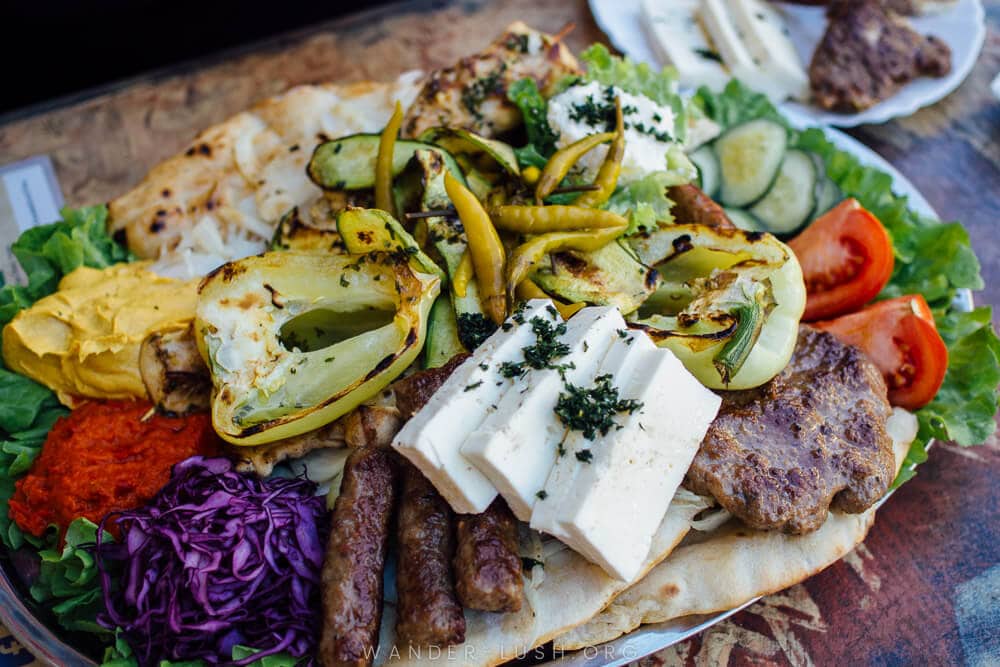
A typical meal at a mid-range restaurant costs around 10 to 15 BAM (Bosnian Convertible Mark). This price usually includes a main dish and a drink. Simple meals at local eateries can be even cheaper, often under 7 BAM. Many restaurants serve traditional dishes like ćevapi or burek, which are filling and budget-friendly.
Street Food Prices
Street food is popular and very affordable in Bosnia and Herzegovina. A portion of ćevapi, a grilled meat dish, costs about 3 to 5 BAM. Burek, a pastry filled with meat or cheese, sells for around 2 to 3 BAM. These quick bites offer great taste and value, perfect for travelers on the go.
Groceries And Markets
Groceries in local markets and shops are inexpensive. Fresh fruits and vegetables typically cost less than 2 BAM per kilogram. Bread costs about 1 to 2 BAM per loaf. Meat, dairy, and staple items remain affordable, making it easy to cook meals at home. Markets also offer seasonal products and local specialties at good prices.
Credit: wander-lush.org
Affordable Local Dishes
Food in Bosnia and Herzegovina is tasty and very affordable. Many local dishes use simple, fresh ingredients. These meals offer great flavor without high prices. Trying these dishes gives a real taste of Bosnian culture. Eating well does not mean spending a lot here.
Traditional Bosnian Meals
Traditional Bosnian meals are filling and budget-friendly. Cevapi, small grilled meat sausages, are a popular choice. They come with flatbread and onions. Burek, a baked pastry filled with meat or cheese, is another staple. These meals usually cost between 2 to 5 euros. They are common in local eateries and street stalls.
Popular Budget-friendly Snacks
Snacks in Bosnia are cheap and delicious. Pita, a type of pie with various fillings, is widely enjoyed. Bosanski lonac, a slow-cooked stew, is hearty and affordable. Shops also sell simple snacks like roasted corn or fresh bread. These options fill you up without hurting your wallet.
Where To Find Cheap Eats
Cheap eats are easy to find in markets and small restaurants. Street vendors often sell traditional food at low prices. Local bakeries offer fresh pastries for less than one euro. Small cafes serve coffee with inexpensive sweets. Exploring local neighborhoods helps discover hidden food gems.
Dining Out Tips
Dining out in Bosnia and Herzegovina offers tasty food and good value. Many places serve fresh and local dishes. Knowing some simple tips helps save money and enjoy meals more. Here are key tips for dining out smartly.
Best Times For Discounts
Many restaurants offer discounts during off-peak hours. Visit for lunch instead of dinner to find better prices. Weekdays often have special deals not available on weekends. Early evening meals sometimes come with reduced prices.
Choosing Local Vs Tourist Spots
Local eateries usually have lower prices than tourist areas. Food tastes more authentic at local spots. Try small family-run restaurants for budget-friendly options. Tourist places can be more expensive and less unique.
Saving On Drinks And Desserts
Drinks and desserts add up quickly on the bill. Order tap water instead of bottled drinks to save money. Share desserts with friends to try new flavors without paying much. Some places offer combo deals including drinks and sweets.

Credit: www.youtube.com
Comparing Food Costs With Neighboring Countries
Comparing food costs in Bosnia and Herzegovina with nearby countries helps travelers plan better. Prices vary across the Balkans, but Bosnia offers some of the best deals. Understanding these differences can save money and improve the travel experience.
Price Differences In The Region
Food in Bosnia and Herzegovina is generally cheaper than in Croatia and Slovenia. Restaurants and markets offer lower prices for fresh produce and meals. Serbia and Montenegro have similar prices, but Bosnia often has more affordable street food. Grocery stores show clear price gaps, with Bosnia leading in savings.
Value For Money
Lower prices in Bosnia do not mean low quality. Meals often include fresh, local ingredients and generous portions. Visitors get good value for what they spend. Eating out is budget-friendly, with tasty dishes at small restaurants or cafes. This value makes Bosnia a smart choice for food lovers.
Travelers’ Food Budget Tips
Buy fresh fruits and vegetables from local markets. Choose small family-run restaurants over tourist spots. Try traditional dishes like cevapi or burek for affordable meals. Avoid expensive drinks and stick to tap water. Preparing some meals yourself can also reduce costs.
Supermarkets And Food Shopping
Shopping for food in Bosnia and Herzegovina is simple and affordable. Supermarkets offer a wide range of products, from fresh produce to packaged goods. Many locals prefer buying groceries here due to competitive prices and product variety. Understanding supermarket options helps plan your budget better.
Popular Supermarket Chains
Several supermarket chains are common in Bosnia and Herzegovina. Konzum is one of the largest and most popular. Mercator and Bingo are also widely found in many cities. These stores provide local and international products. Most have clean, well-organized aisles for easy shopping.
Typical Prices For Essentials
Basic food items are quite cheap in supermarkets here. A loaf of bread costs about 1 to 1.5 BAM. Milk prices range from 1.2 to 1.8 BAM per liter. Eggs are around 2 to 3 BAM for a dozen. Fresh vegetables like tomatoes or cucumbers cost roughly 1 to 2 BAM per kilogram.
Buying Local Products
Local products are fresh and often cheaper than imported ones. Look for Bosnian cheeses, cured meats, and fresh fruits. Many supermarkets also stock homemade jams and honey. Supporting local farmers benefits the economy and gives you authentic flavors.

Credit: foodhousemostar.com
Seasonal Variations In Food Costs
Food prices in Bosnia and Herzegovina change with the seasons. Different times of the year bring different costs. Understanding these changes helps you save money and eat fresh.
Seasonal food costs depend on supply and demand. Local harvests and weather impact prices. Seasonal eating often means better quality and lower costs.
Impact Of Seasons On Prices
In spring and summer, fresh fruits and vegetables are cheaper. Farmers bring plenty of produce to markets. Winter months see higher prices due to limited supply. Imported goods cost more in colder months. Seasonal shifts cause noticeable price differences.
Best Times To Buy Fresh Produce
Late spring through early autumn offers the best deals. Local strawberries, cherries, and tomatoes are abundant then. Buying at farmers’ markets during harvest time saves money. Avoid buying out-of-season produce to reduce costs. Fresh, local items taste better and cost less.
Holiday And Festival Food Expenses
Food prices rise around holidays and festivals. Demand grows, so sellers increase prices. Traditional dishes often require special ingredients. Shopping early or in bulk can lower expenses. Planning meals ahead helps manage holiday food costs.
Frequently Asked Questions
How Much Does Eating Out Cost In Bosnia And Herzegovina?
Eating out in Bosnia and Herzegovina is affordable. A meal at an inexpensive restaurant costs around 5-7 BAM ($3-4 USD). Mid-range restaurants charge about 15-25 BAM ($9-14 USD) per person. Prices vary by city and location but remain budget-friendly.
What Are Typical Grocery Prices In Bosnia And Herzegovina?
Basic groceries like bread cost around 1. 5 BAM, milk 1. 2 BAM, and eggs 2. 5 BAM per dozen. Fresh fruits and vegetables average 1-3 BAM per kilo. Overall, groceries are reasonably priced, making local shopping economical for residents and travelers.
Is Street Food Cheap In Bosnia And Herzegovina?
Yes, street food is inexpensive and widely available. Popular snacks like cevapi or burek cost 2-4 BAM ($1-2. 5 USD). Street food offers tasty, budget-friendly options for quick meals throughout the country’s towns and cities.
Are Imported Foods Expensive In Bosnia And Herzegovina?
Imported foods can be pricier than local products, often 20-50% higher. Specialty items like cheeses or wines from abroad cost more due to taxes and shipping. However, local markets provide affordable and fresh alternatives for daily needs.
Conclusion
Food prices in Bosnia and Herzegovina stay quite affordable. You can enjoy local dishes without spending much money. Fresh ingredients and simple cooking keep costs low. Street food and markets offer tasty options on a budget. Dining out is easy for travelers who want to save.
Exploring Bosnian cuisine lets you taste rich flavors for less. This country offers great value for food lovers everywhere. Plan your meals wisely and enjoy every bite. Bosnia and Herzegovina welcomes visitors with delicious, low-cost food.