Wondering how much you’ll spend on food in Czechia? Whether you’re planning a trip, moving, or just curious, knowing the cost of food can help you budget better.
You want to enjoy delicious meals without much prices. You’ll discover real prices for groceries, dining out, and local treats. By the end, you’ll feel confident about managing your food expenses in Czechia. Keep reading to get the inside scoop!

Credit: undiscoveredpathhome.com
Grocery Prices In Czechia
Grocery prices in Czechia are generally affordable compared to many Western European countries. Many residents find that their money goes a long way when buying daily essentials. Understanding the cost of groceries helps in planning a realistic budget. Prices can vary slightly between cities and rural areas. Local markets and supermarkets offer different price ranges for fresh produce and packaged goods.
Staple Foods Costs
Basic staples like bread, rice, and pasta are inexpensive in Czechia. A loaf of bread costs around 25 to 35 CZK. One kilogram of rice usually costs about 40 to 50 CZK. Pasta prices range from 20 to 40 CZK per pack. These staples are widely available in all grocery stores. They form the foundation of many Czech meals.
Dairy And Meat Prices
Dairy products such as milk and cheese are quite affordable. A liter of milk costs about 20 to 25 CZK. Cheese prices vary but average around 150 to 200 CZK per kilogram. Meat tends to be pricier but still reasonable. Chicken breasts cost roughly 120 to 150 CZK per kilogram. Pork and beef are slightly more expensive, often between 150 and 250 CZK per kilogram.
Fruits And Vegetables Expenses
Fresh fruits and vegetables have moderate prices in Czechia. Seasonal vegetables like potatoes and carrots cost about 15 to 30 CZK per kilogram. Apples and oranges generally range from 30 to 50 CZK per kilogram. Local markets offer fresher options at lower prices. Imported fruits can be more costly, depending on the season.
Beverages And Snacks
Non-alcoholic beverages such as water and soft drinks are budget-friendly. A 1.5-liter bottle of water costs around 10 to 15 CZK. Popular soft drinks usually range from 20 to 30 CZK per bottle. Snacks like chips and chocolate bars are affordable too. Prices for snacks generally fall between 20 and 50 CZK. These items are easy to find in supermarkets and convenience stores.
Dining Out Expenses
Dining out in Czechia offers a variety of choices for every budget. From quick bites to fancy dinners, prices differ across the country. Understanding these costs helps plan your meals better.
Here is a breakdown of typical expenses you might face when eating out in Czechia.
Average Meal Prices
A typical meal in a mid-range restaurant costs around 150 to 250 CZK. This usually includes a main dish and a drink. Many locals eat out regularly and find these prices reasonable.
Fast Food Costs
Fast food is cheap and popular in Czechia. A burger or sandwich costs about 70 to 120 CZK. It is a good option for a quick and affordable meal.
Fine Dining Rates
Fine dining can cost 500 CZK or more per person. These restaurants offer a more elegant atmosphere and special dishes. Prices rise with the quality and location of the venue.
Local Vs Tourist Areas
Eating in tourist areas usually costs more. Prices in these places are often 20 to 30 percent higher. Local neighborhoods offer cheaper food with authentic flavors and less crowd.
Regional Price Variations
Food prices in Czechia vary depending on the region. Different areas have different costs for groceries and eating out. Understanding these variations helps plan your budget better. Prices tend to be higher in big cities and lower in smaller towns or rural areas.
Prague Vs Other Cities
Prague, the capital, has the highest food prices in Czechia. Supermarket goods and restaurant meals cost more here. Other cities like Brno, Ostrava, and Plzen offer cheaper options. The difference can be up to 20-30% less outside Prague. Local markets and smaller stores often help reduce costs.
Rural Vs Urban Differences
Rural areas generally have lower food prices than cities. Fresh produce from local farms is often cheaper. Limited variety and fewer restaurants can affect pricing. Urban areas offer more dining choices but at higher prices. Shopping in villages can save money but might lack some items.
Credit: visitukraine.today
Budgeting Tips For Food
Managing your food budget in Czechia is easier with some simple strategies. Knowing how to save money on groceries and meals helps stretch your budget. Small changes in shopping and eating habits can lead to big savings.
Shopping Smart
Buy from local markets for fresh and cheaper produce. Supermarkets often have discounts on certain days. Check prices and compare brands before buying. Avoid processed foods to save money and eat healthier. Use loyalty cards to get extra discounts and offers.
Eating Out Economically
Choose small restaurants or pubs for affordable meals. Daily menus offer good food at lower prices. Avoid tourist areas where prices are higher. Share meals if portions are large. Drinking tap water instead of bottled water saves money too.
Seasonal Buying Advantages
Buy fruits and vegetables in season for better prices. Seasonal foods taste fresher and last longer. Stock up on frozen or canned seasonal items for later use. Farmers’ markets often sell seasonal produce at lower costs. Plan meals around what is in season to save money.
Impact Of Inflation On Food Prices
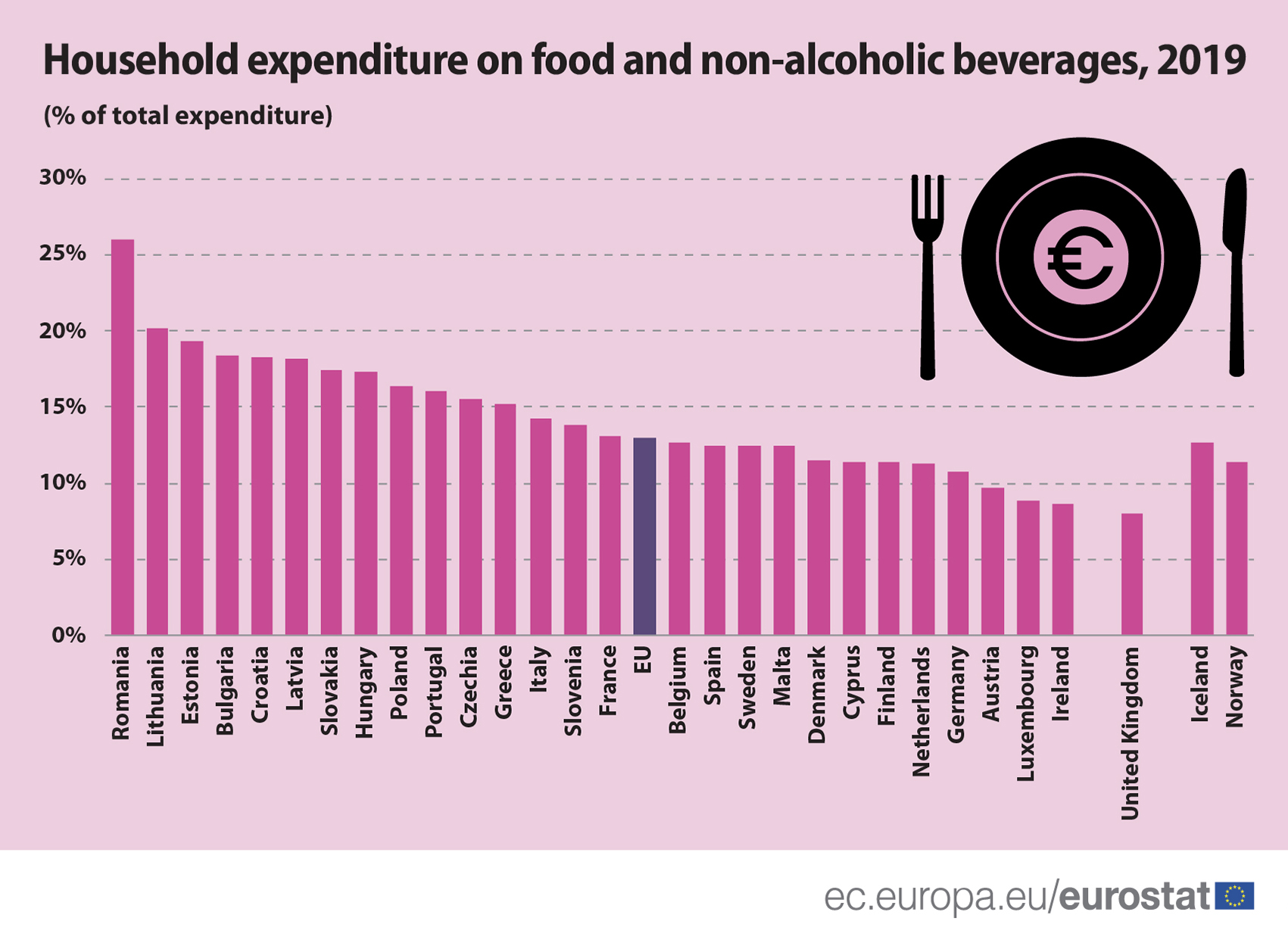
Inflation affects the cost of food in Czechia significantly. Rising prices make everyday groceries more expensive for residents. This impacts family budgets and dining habits. Understanding recent trends helps explain current price changes. Future predictions offer insight into what consumers might expect next.
Recent Trends
Food prices in Czechia have increased steadily over the past year. Essential items like bread, milk, and vegetables cost more than before. Inflation is driven by higher production and transport costs. Energy price rises also push up food prices. Seasonal factors and supply chain issues add pressure too. Many shoppers notice these changes at local markets and stores.
Future Predictions
Experts expect food prices to keep rising in the short term. Inflation may slow but will likely stay above normal. Farmers face challenges like weather and fuel costs. Global events can also affect food supply and prices. Consumers should prepare for gradual price increases. Budgeting carefully can help manage these changes better.
Credit: ec.europa.eu
Frequently Asked Questions
How Much Does Eating Out Cost In Czechia?
Eating out in Czechia typically costs between 100 to 250 CZK per meal. Local pubs and casual restaurants offer affordable options, while upscale dining is pricier. Street food and fast food are budget-friendly choices for travelers and locals alike.
What Is The Average Grocery Cost In Czechia?
Groceries in Czechia are reasonably priced, with monthly expenses around 3000 to 6000 CZK per person. Basic items like bread, milk, and vegetables are affordable. Imported products and specialty foods cost more but remain accessible compared to Western Europe.
Are Local Czech Foods Expensive To Buy?
Local Czech foods, such as dumplings, sausages, and cheeses, are inexpensive and widely available. Farmers’ markets and small shops offer fresh, affordable options. Traditional dishes provide good value, making it easy to enjoy authentic meals on a budget.
How Much Does Street Food Cost In Czechia?
Street food prices in Czechia range from 40 to 120 CZK per item. Popular choices include trdelník, sausages, and pastries. These options are perfect for quick, affordable snacks while exploring cities like Prague and Brno.
Conclusion
Food prices in Czechia stay quite affordable for most visitors. Basic groceries and dining out both fit many budgets well. You can enjoy local meals without spending too much money. Small towns often offer cheaper food than big cities. Planning meals helps control your daily food expenses easily.
Czechia’s food costs suit travelers and residents alike. Simple choices lead to good food without high costs. Overall, Czechia offers tasty food at reasonable prices.